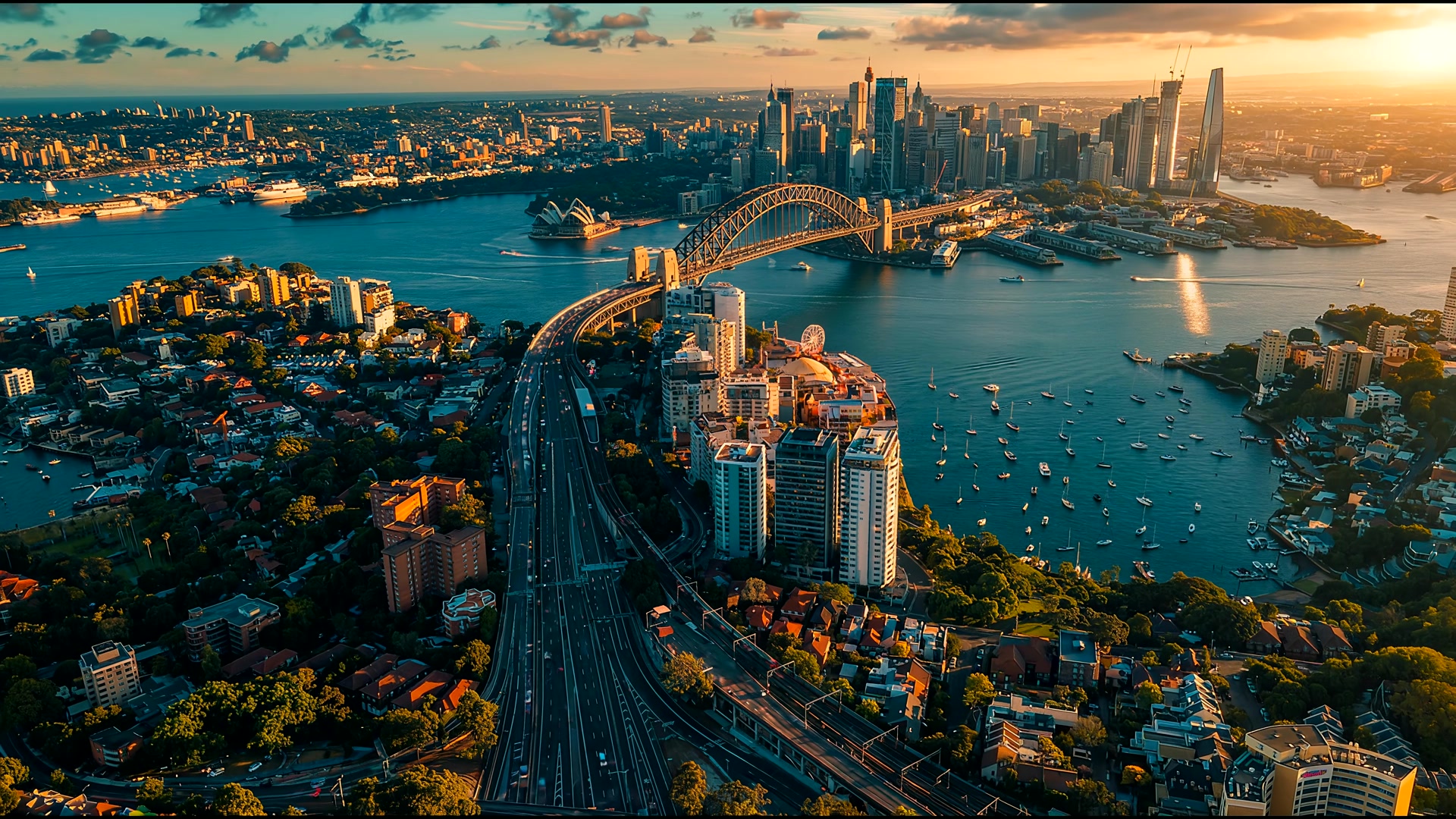
Top 10 Tallest Buildings in Australia, and the Engineering That Makes Them Stand
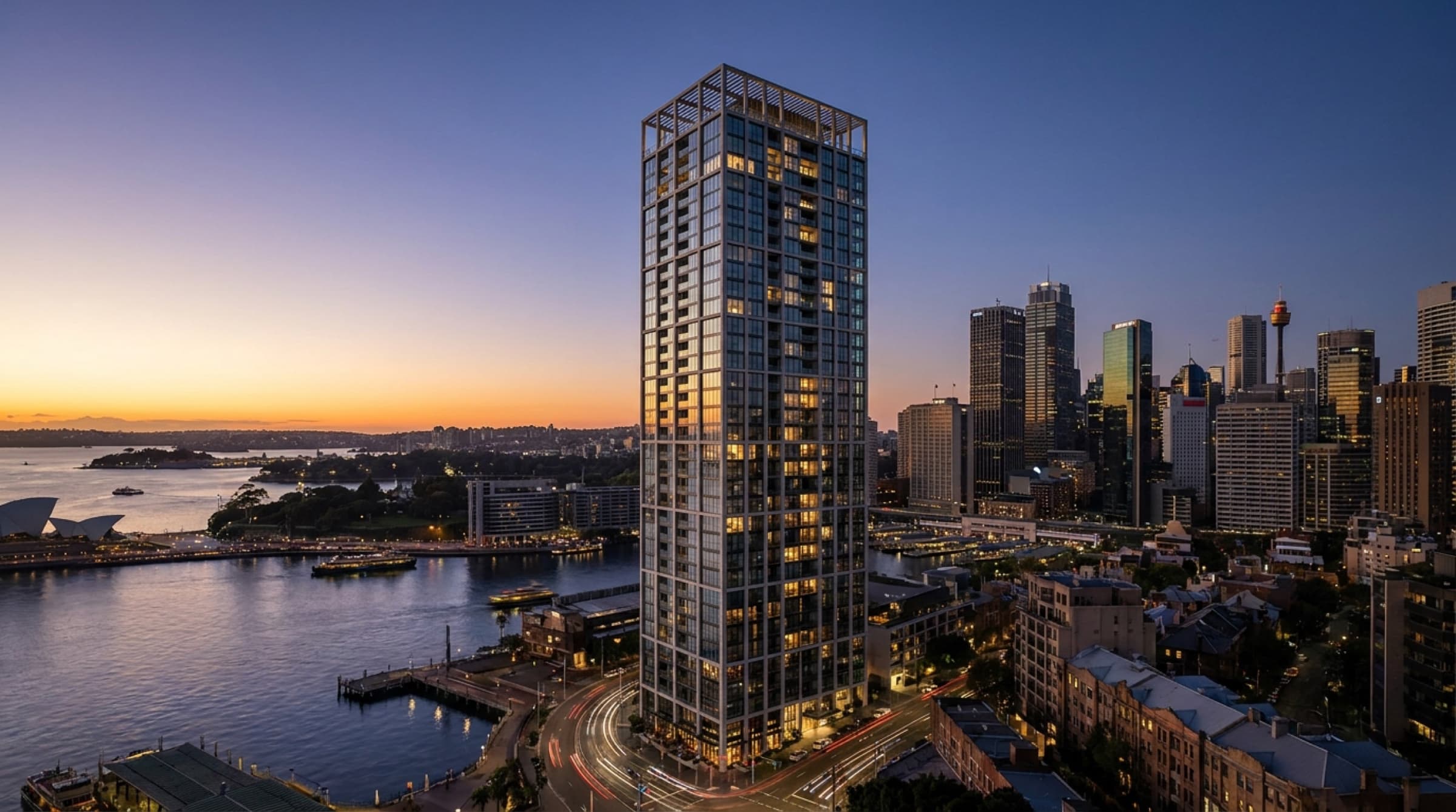
Top 10 Tallest Buildings in Australia, and the Engineering That Makes Them Stand
When people ask me what makes a tall building tall, they expect me to talk about gravity. Heavier loads, bigger columns, deeper footings. After almost three decades designing structures, I can tell you the honest answer. Gravity is the easy part. What actually decides how tall a building can go in Australia is wind, the lateral system that resists it, and how much sway the people living on the top floor are prepared to put up with.
The buildings on this list are not on it because their columns are big. They are on it because their cores, their outriggers, and the dampers buried in their upper floors solved a wind problem first, and a gravity problem second. That is the part the postcard never shows you. Here is the current top 10, ranked by architectural height, and the structural systems that earn each one its position on the skyline.
1. Q1 Tower, Gold Coast, 322.5m to spire, 78 storeys, completed 2005
Q1 holds the title of Australia's tallest building, and has done so for over two decades. The spire takes it to 322.5m, the structural roof sits at 245m, and the highest occupied floor lands around 235m. The lateral system is a high-strength reinforced concrete core, ringed by perimeter columns and tied through the slabs. The Gold Coast is a coastal cyclone-influenced zone under AS 1170.2, so the wind case is the governing case, not the gravity case. Roughly 6,000 cubic metres of concrete and 12,000 tonnes of reinforcing went into the structure. The spire is what most people remember. The core is what holds the building still in a 100-year wind event.
2. Australia 108, Melbourne, 317m, 100 storeys, completed 2020
Australia 108 in Southbank is the tallest building in Australia measured to the roof, and the tallest residential building in the Southern Hemisphere. The floor plan is set inside two-metre wide perimeter columns and a heavy reinforced concrete core, with the slabs working compositely between them. The corner radii are rounded for a reason that has nothing to do with aesthetics, the geometry guides the wind around the tower instead of letting it grab the corners and induce vortex shedding. At the top, a tuned mass damper sits in the upper levels to bleed sway off the structure before the occupants feel it. The foundations are mat-on-pile, driven roughly 46m down to competent rock to spread the reaction from a 100-storey load case. This is what 100 storeys on a Melbourne site actually looks like in structural engineering terms.
3. Eureka Tower, Melbourne, 297m, 91 storeys, completed 2006
Eureka is the slipform building. The reinforced concrete core was built by continuously pouring concrete into rising formwork, around the clock, for the better part of a year. The post-tensioned slabs cantilever off the core and tie into perimeter columns. The lateral system is the core doing the work, with the slab-perimeter ring assisting in torsion. When it opened in 2006, Eureka was the tallest residential building in the world measured to the highest occupied floor. Two decades on, it still teaches you everything you need to know about how a slipformed core behaves in a long-duration wind event.
4. Crown Sydney (One Barangaroo), Sydney, 271m, 75 storeys, completed 2020
Crown Sydney does something that most tall buildings do not. It twists. The form rotates roughly 60 degrees from base to crown, which means the lateral system shouldn't behave like a straight extrusion. The solution is a stiff reinforced concrete core paired with raking perimeter columns that follow the twist, with a composite steel-and-concrete slab tying the geometry back together at every level. A 200-tonne tuned mass damper sits on the 70th floor, doing exactly the job a damper is supposed to do, absorbing the energy of the building wanting to move before the guests in the hotel suites get to feel it. Below ground, the basement and foundation work sits in Sydney sandstone, which is one of the better materials in the country to land a 75-storey reaction onto, and a topic I have covered in detail elsewhere on basement structures in Sydney.
5. Aurora Melbourne Central, Melbourne, 270.5m, 84 storeys, completed 2019
Aurora sits directly above the Melbourne Central underground rail station, which is the constraint that drives the entire engineering story. The foundation is a system of pad footings, not piles, designed to land the tower reaction into the ground without overstressing the rail tunnels below. The superstructure is a reinforced concrete core with reinforced concrete outriggers and perimeter columns. The outriggers couple the core to the perimeter at strategic levels, stiffening the building against wind sway and letting the perimeter columns share the lateral load with the core. The structural engineering on Aurora is a clean example of how an outrigger system earns its place. Without it, a tower of that slenderness above a rail interface wouldn't have been deliverable on that site.
6. Brisbane Skytower, Brisbane, 270m, 90 storeys, completed 2019
Brisbane Skytower is an all-concrete structure, with a reinforced concrete core doing the primary lateral work and concrete columns carrying the gravity. Ninety storeys is a lot of post-tensioned slab to pour, level after level, with the core climbing ahead of the floor plate. Brisbane sits in a different wind region to Sydney and Melbourne under AS 1170.2, with a stronger cyclonic influence at certain return periods, so the lateral demand on the core was assessed against a wind tunnel test, not a code default. The base of the building lands into the Brisbane River sediments, which is the part of the project where the geotechnical engineering work earns its keep.
7. Salesforce Tower (180 George Street), Sydney, 263m, 55 storeys, completed 2022
Salesforce Tower is the tallest office tower in Sydney, and the tallest office building in Australia. Its real engineering story is the side core. Putting the core on one side of the plan, rather than centrally, gives you the floor plate that the tenants want but forces the structural engineer to solve a much harder lateral problem. The answer was a composite steel belt frame paired with outriggers that tie the perimeter columns back to the side core at engineered levels. That combination handles the lateral load without resorting to tension piles or ground anchors at the foundation, which is a small detail with a very large cost implication. It is a useful study for anyone interested in the engineering side of mixed-use developments engineering at this scale.
8. 101 Collins Street, Melbourne, 260m, 57 storeys, completed 1991
101 Collins is the elder statesman of this list, and the building that teaches you that you don't need 100 storeys to make a tall building stand. Completed in 1991, it sits on Melbourne sandstone and pushes its lateral load into a central reinforced concrete core. By 1990s standards it was a working benchmark for office floor plate efficiency in a tall slender form. 57 storeys is not a lot of levels by today's count, but the floor-to-floor heights are commercial, not residential, which means the building is taller per storey than most of what came after it. The engineering still reads cleanly. A core that is sized to handle the wind, columns sized to handle the gravity, slabs that hand the load between them.
9. Prima Pearl, Melbourne, 254m, 72 storeys, completed 2014
Prima Pearl was the third Australian residential building to break 250m, after Q1 and Eureka. It uses a reinforced concrete core with perimeter columns and post-tensioned slabs, which by this point in the Melbourne supertall story had become the working default. What is worth noting about Prima Pearl is how compact the floor plate is, which makes the building slender, and slenderness is the parameter that drives the wind problem on a residential tower. Slender means more sway per unit of wind energy, which means the damping has to be there and the slab-to-core stiffness has to be tight.
10. Rialto Towers, Melbourne, 251m, 63 storeys, completed 1986
Rialto is the tallest reinforced concrete structure in the Southern Hemisphere, and at 63 storeys it shows just how much you can ask of a concrete core when the design discipline is right. Two towers, the 63-storey north tower at 251m and a 43-storey south tower beside it, both wrapped in their distinctive blue-glass curtain wall. The lateral system is a pure reinforced concrete core. No steel composite, no outriggers, no damper. From 1986 to 1991 it was the tallest office building in the Southern Hemisphere. Almost forty years on, it is still doing exactly the job it was designed to do, which tells you something about how well the original engineering held up.
Patterns across the top 10
Look across all ten and the same engineering choices keep showing up. The reinforced concrete core does most of the lateral work on nearly every tower on this list. Eight of the ten use a concrete core as the primary lateral system, with composite steel only entering the picture in floor framing or perimeter belt trusses where the floor plate forces it. Post-tensioned slabs are the default above 200m because you need the long spans without the slab depth that conventionally reinforced slabs would impose. Outriggers and belt trusses appear at the 270m mark and above, coupling the perimeter columns into the core to stiffen the building against sway. Tuned mass dampers sit at the top of the tallest residential towers, doing what no amount of stiffness alone can do, which is bleed off the energy that the structure wants to hold onto.
Foundations vary by city. Sydney's sandstone takes a tower reaction in a way that Melbourne's clays and Brisbane's river sediments shouldn't, which is why piling depths and shoring strategies look so different from project to project. Wind is the governing case on every one of these buildings, not gravity. You can size a column for a 100-storey gravity load on the back of an envelope. Sizing a building to keep the people on the 95th floor comfortable in a 1-in-50-year wind event is what the engineering actually has to solve.
Closing thought
Tall is not the goal. Tall is what you get when the engineering works. I have spent almost three decades on 1,000+ projects, and the buildings on this list are not on it because their owners decided to make them tall. They are on it because somebody worked out how to make the lateral system, the slab strategy and the foundation reaction answer the same loads, on paper AND on site. The height is the consequence, not the brief.
The lesson that sits underneath the list is the same lesson that sits underneath any engineered building, supertall or four-storey. The drawings have to be buildable. The wind has to be solved before the gravity is. The damping has to be designed, not added on at the end when the building starts to sway more than the owners can live with. Cheap engineering has never produced a cheap building, and cheap engineering has never produced a tall one either. Every tower on this list earned its position by being engineered properly from the first concept sketch.
That is the part the postcard still doesn't show you.
Building Relationships Beyond Structures

Related Articles

Tell us about your project.
We will respond with a clear understanding of how we can assist.
Partner With Us