Mixed-Use Developments: Unique Engineering Challenges and Solutions
Mixed-Use Developments: Engineering Challenges
Mixed-use buildings combine residential, commercial, and retail spaces within a single structure. Each use has different structural requirements, and managing these differences is one of the most complex challenges in building engineering.
Different Structural Requirements
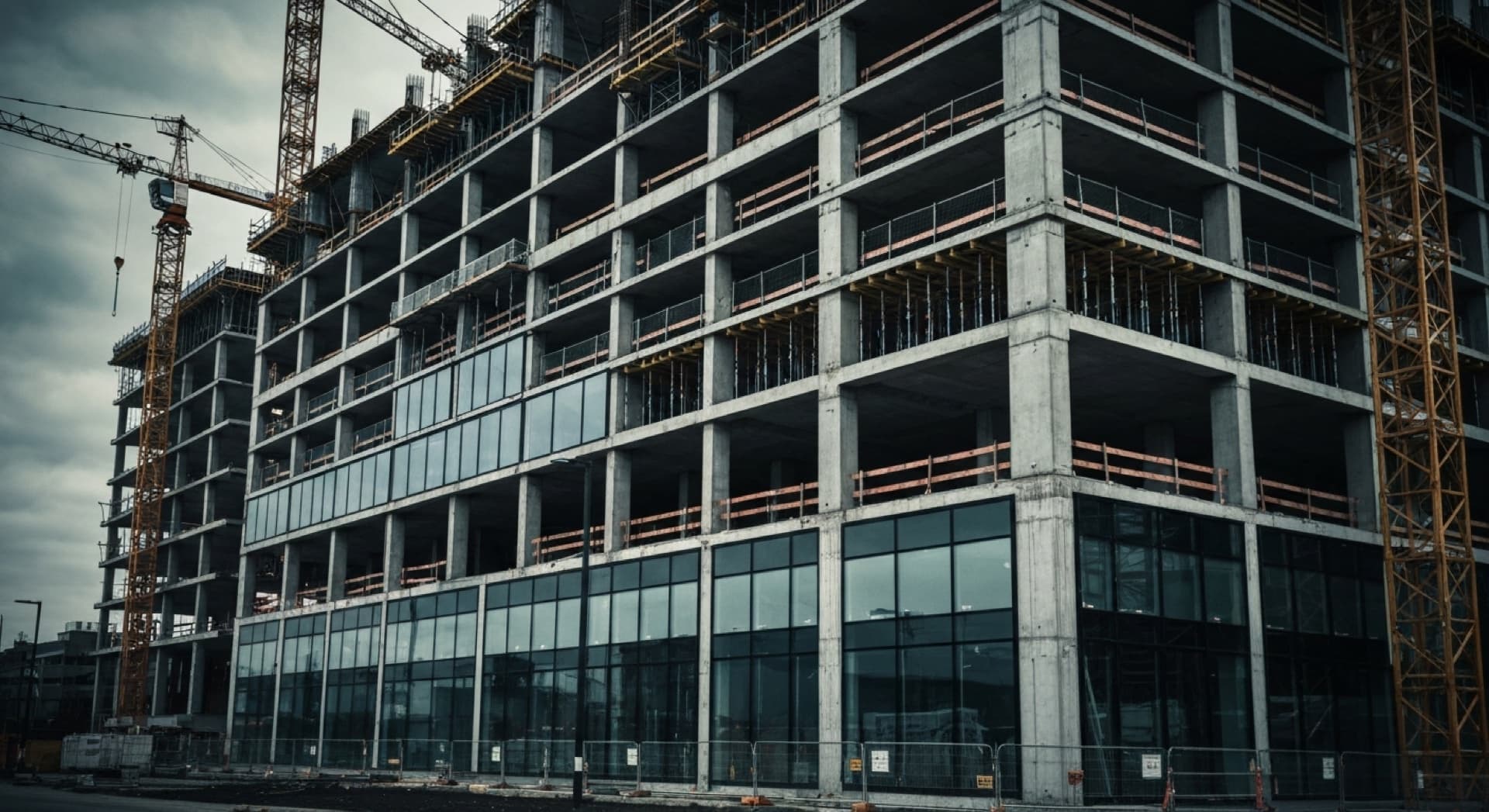
Retail spaces at ground level typically require large, open floor plates with minimal columns. Commercial office levels need flexible layouts with regular column grids. Residential levels have fixed partition walls that can act as structural elements. Transitions between these different layouts require transfer structures - beams, slabs, or walls that redirect loads from one structural grid to another.
Acoustic Separation
Mixed-use buildings must provide adequate acoustic separation between different uses. The structural design influences acoustic performance through slab thickness, connection details, and the design of transfer structures. Coordination with acoustic engineers during the design phase is essential.
Services Integration
Different uses have different services requirements. Retail spaces need high ceilings for services distribution. Commercial levels need raised floors or ceiling voids for data cabling. Residential levels need individual services risers. The structural design must accommodate all these requirements without conflict.
Our Approach
At ACSES Engineers, we have extensive experience with mixed-use developments across Sydney. We understand the unique challenges these buildings present and design structural systems that accommodate the needs of all building users efficiently and economically.

Related Articles
Tell us about your project.
We will respond with a clear understanding of how we can assist.
Partner With Us