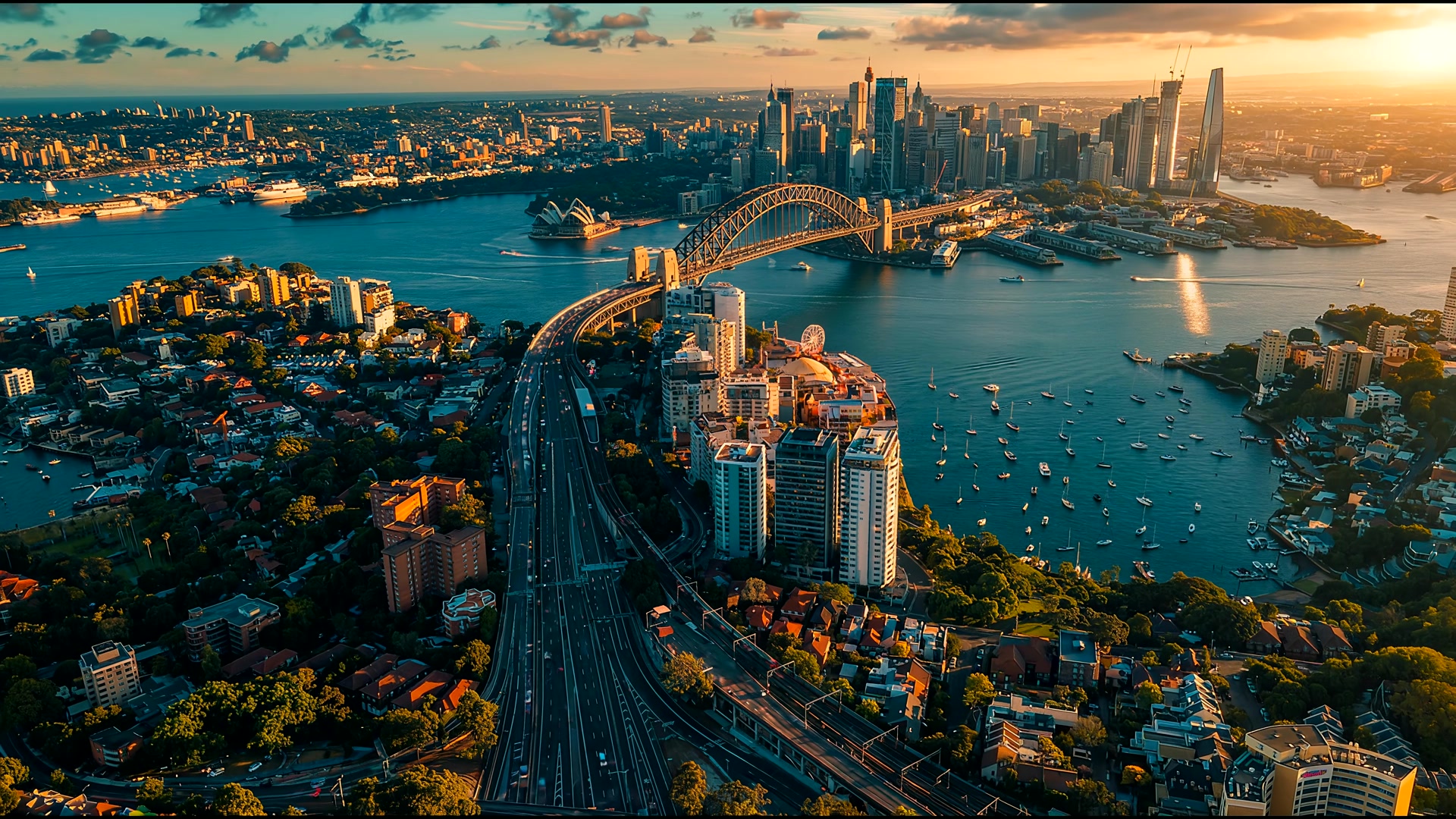
Sydney Water Major Asset Protection — What Engineers Need to Know
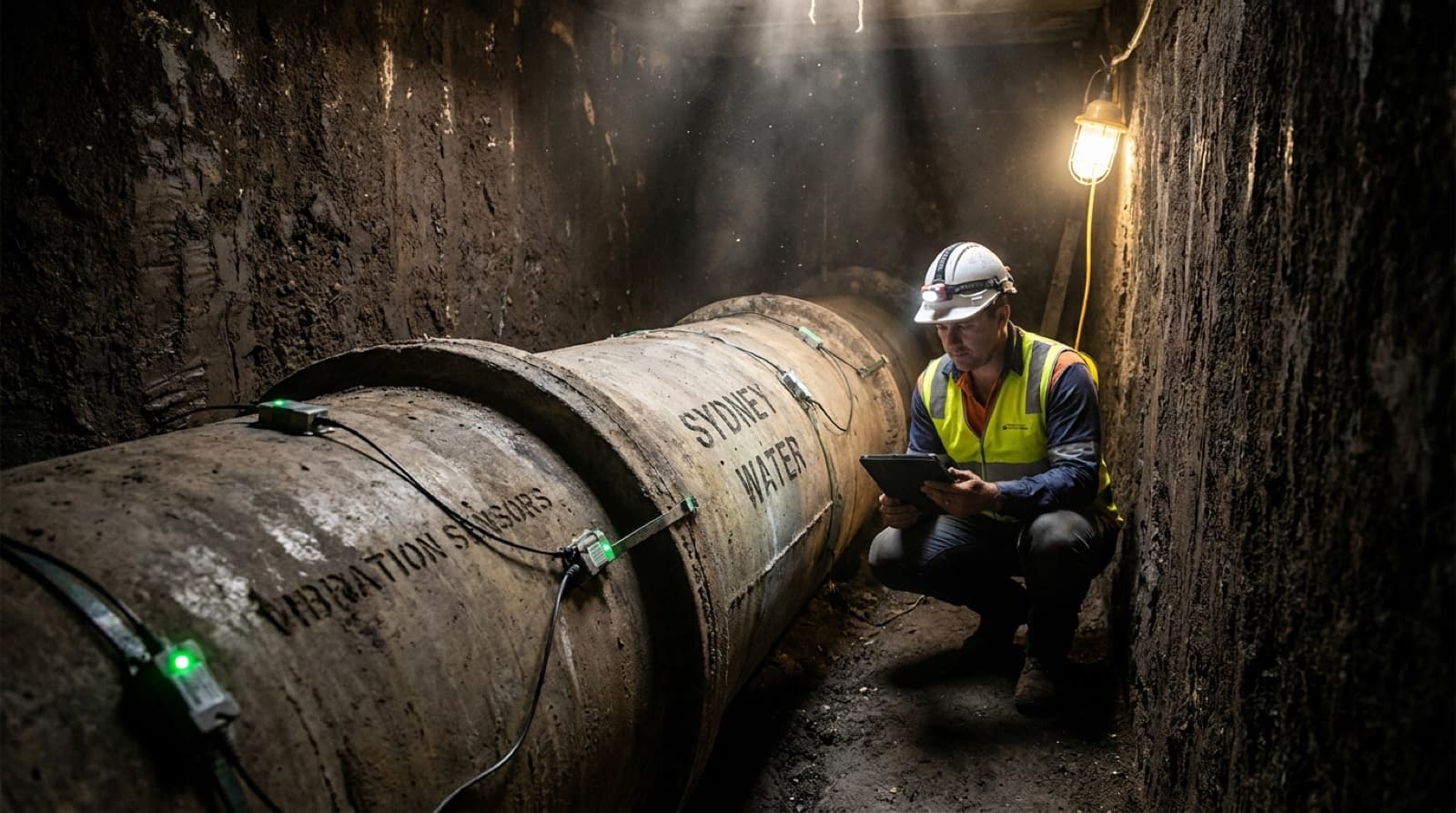
Sydney Water Major Asset Protection — What Engineers Need to Know
Major assets are the trunk infrastructure that keeps Sydney's water and sewer system functional. They're high-flow, deep, often old, and replacement cost is in the millions. Sydney Water protects them through a structured approval process for any construction within their influence zone.
What Counts as a Major Asset
Sydney Water defines major assets by combinations of size, depth, function, and replacement consequence. Typical thresholds:
- Water mains DN300 and larger
- Sewer mains DN450 and larger, or any deep-bored sewer
- Recycled water mains in their dedicated network
- Trunk stormwater channels and culverts
- Specific named assets (e.g. the Northside Storage Tunnel, Bondi Ocean Outfall System)
If your site is within the influence zone of a major asset, you trigger Sydney Water's major asset protection process — typically more rigorous than a standard SEA.
The Influence Zone
The influence zone is the volume of ground around the asset within which construction activity may affect its integrity. It's geometry-dependent, but a useful first approximation is:
- Horizontal: 2x the asset depth either side
- Vertical: from surface to asset invert
Anything happening within this zone — piling, excavation, surcharge loading, vibration, dewatering — needs assessment.
What Sydney Water Asks For
Major asset protection submissions are scoped to the specific risk. A typical submission includes:
- Asset condition assessment, often including a recent inspection (CCTV for sewers, internal inspection for tunnels)
- Geotechnical investigation extending to and below the asset
- 3D ground movement modelling (Plaxis, FLAC, or equivalent)
- Stress analysis on the asset under proposed loading
- Construction sequencing analysis
- Vibration analysis for any percussive or rotary methods near the asset
- Real-time monitoring regime during construction
- Trigger and contingency framework with defined response procedures
Common Risks We See
Vibration damage from piling. Driven piles within the influence zone can crack old segmental sewers. Bored or CFA piles substantially reduce vibration and are usually the engineering answer.
Settlement from adjacent excavation. Deep basement excavation near a major asset can settle the surrounding ground and tilt the asset. Stiff retaining systems (secant pile walls, diaphragm walls) limit ground movement; flexible systems (sheet piles) can move enough to damage the asset.
Surcharge loading. New foundations or stockpiled material adjacent to a major asset increase the lateral load on the surrounding soil. Settlement analysis must demonstrate movement remains within bounds.
Dewatering effects. Lowering the water table around the asset can cause consolidation settlement of the asset itself. Dewatering plans need explicit Sydney Water approval for major assets.
The Engineering Pattern
Successful major asset protection submissions share a pattern.
The first step is to characterise the asset and the ground accurately. Hand-waved assumptions about asset condition or soil parameters fail at Sydney Water's review desk.
The second is to model the proposed construction's effect on the asset using project-specific ground parameters and loading sequences. Generic published cases are starting points, not substitutes for analysis.
The third is to define monitoring triggers and contingency responses BEFORE construction starts. Trigger levels must be set such that response actions can be implemented in time to prevent damage. This requires real engineering judgment, not templated values.
Talk to Us Early
Major asset protection is not a process to start at construction certificate stage. The structural and civil design must be informed by the protection requirements from concept. We've worked on several major-asset projects across Sydney and our pattern is to engage Sydney Water with the engineering brief early, validate the proposed approach, then proceed to detailed design and submission.
Done right, major asset protection adds rigour but doesn't slow the project. Done late, it adds rework cycles and expensive concept changes.

Related Articles
Tell us about your project.
We will respond with a clear understanding of how we can assist.
Partner With Us