
Autonomous Transport and Its Impact on Infrastructure Engineering
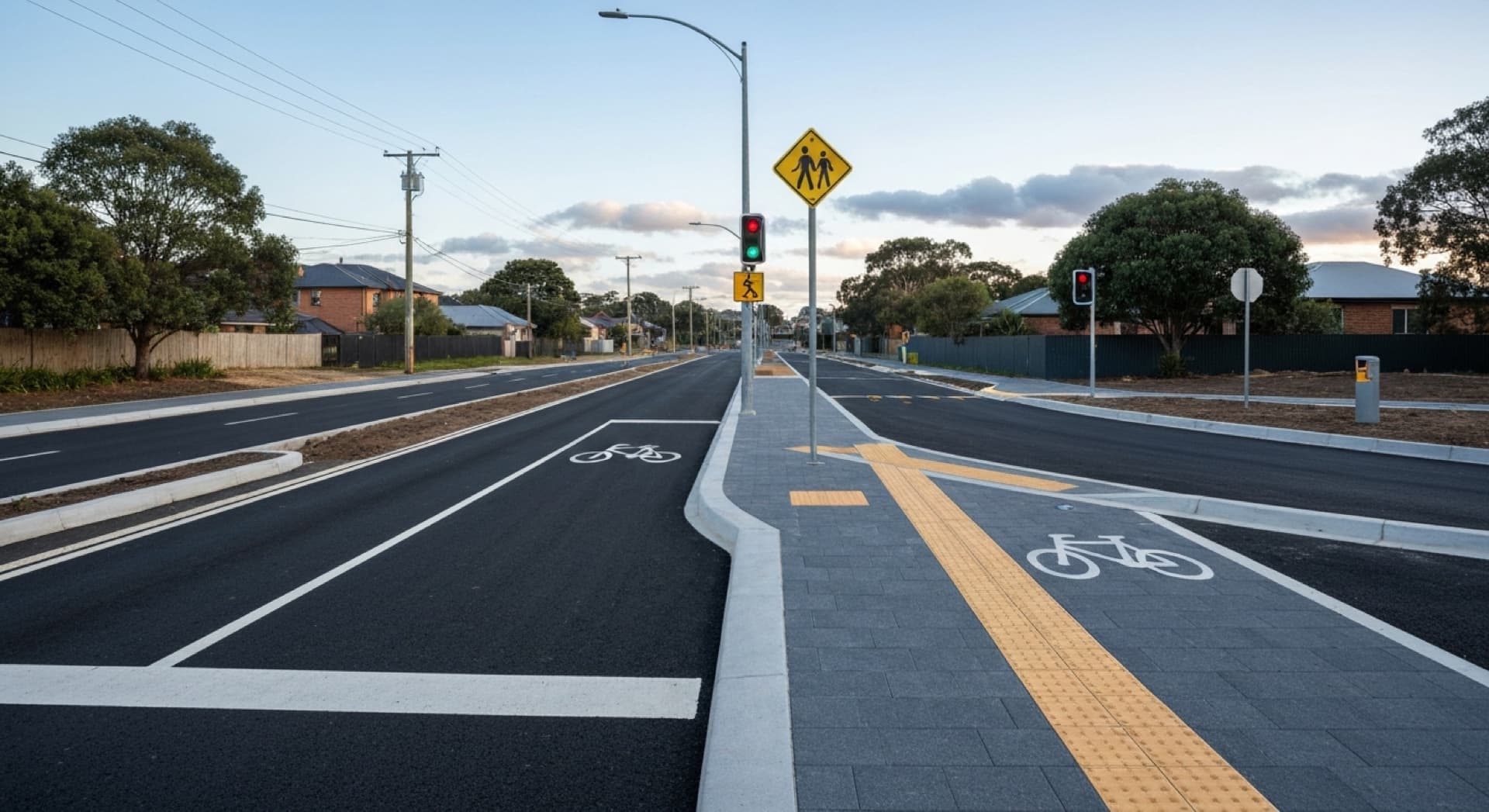
Autonomous Transport and Infrastructure Engineering
Self-driving vehicles will fundamentally change how we design roads, intersections, parking structures, and urban infrastructure. Engineers need to understand these changes and begin designing for them now.
Road Design Changes
Autonomous vehicles can operate with narrower lanes, shorter following distances, and more precise navigation than human drivers. This could allow roads to carry more traffic in less space, or allow existing road space to be reallocated to other uses.
Parking Revolution
Self-driving vehicles do not need to park near their destination. They can drop passengers and proceed to remote parking locations, fundamentally changing the need for on-street and ground-floor parking in urban areas. This has significant implications for building design and urban planning.
Structural Implications
Buildings designed today should consider the possibility that parking requirements may decrease significantly over their design life. Flexible structural designs that allow basement parking to be converted to other uses will be more adaptable to changing transport patterns.
Infrastructure Monitoring
Autonomous vehicles generate vast amounts of data about road conditions. This data can be used to monitor infrastructure condition in real time, identifying pavement deterioration, structural defects in bridges, and drainage problems before they become safety hazards.
Our Approach
At ACSES Engineers, we design with the future in mind. While we cannot predict exactly when autonomous vehicles will become widespread, we can design structures and infrastructure that are adaptable to changing technology and transport patterns.

Related Articles


Tell us about your project.
We will respond with a clear understanding of how we can assist.
Partner With Us