Vortex Shedding and Mass Dampers: Engineering Tall Buildings Against Wind
Vortex Shedding and Mass Dampers in Tall Buildings
When wind flows around a tall building, it creates alternating low-pressure vortices on either side of the structure. This phenomenon, known as vortex shedding, can cause the building to oscillate perpendicular to the wind direction - and if the frequency of vortex shedding matches the building's natural frequency, the oscillations can become dangerously amplified.
Understanding the Problem
Every tall building has natural frequencies of vibration - the rates at which it will oscillate if disturbed. These are determined by the building's mass, stiffness, and height. Wind forces contain energy across a range of frequencies, and when the wind speed creates vortex shedding at a frequency close to the building's natural frequency, resonance occurs.
Resonance causes vibrations to amplify with each cycle, potentially leading to structural damage, occupant discomfort, or in extreme cases, structural failure. The Tacoma Narrows Bridge collapse in 1940 remains the most famous example of wind-induced resonance in structural engineering.
Mass Dampers
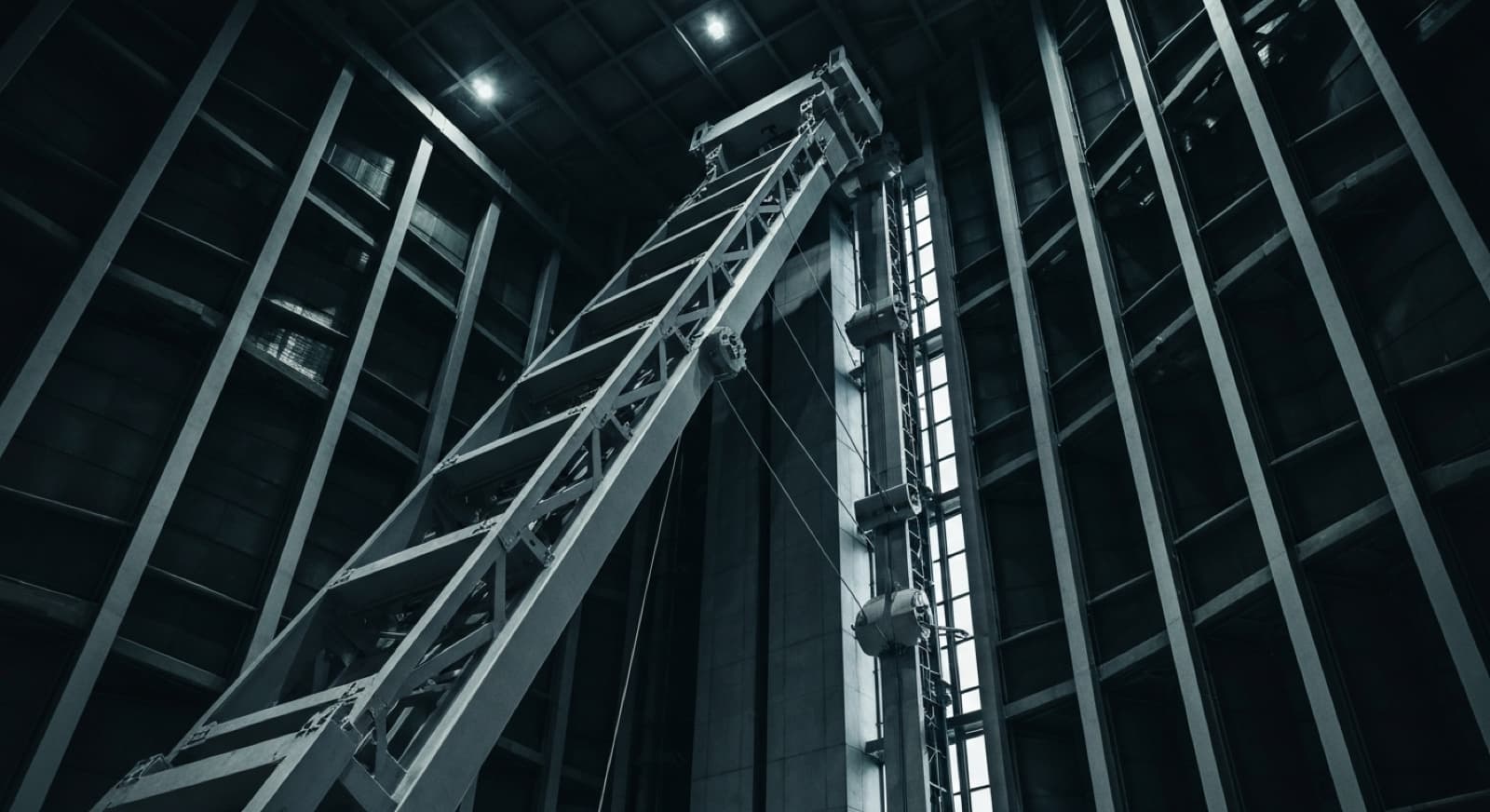
Tuned mass dampers (TMDs) are one of the most effective solutions for controlling wind-induced vibrations in tall buildings. A TMD consists of a large mass - typically between 0.5% and 1% of the building's total mass - mounted near the top of the building on springs or pendulums.
The TMD is tuned to oscillate at the same frequency as the building but out of phase. When the building moves in one direction, the TMD moves in the opposite direction, absorbing the kinetic energy and reducing the amplitude of oscillation.
Famous Examples
Taipei 101 features a massive 730-tonne TMD suspended in the building's upper levels - one of the largest and most visible TMDs in the world. The Citigroup Center in New York was one of the first buildings to incorporate a TMD as part of its original design.
Relevance to Sydney
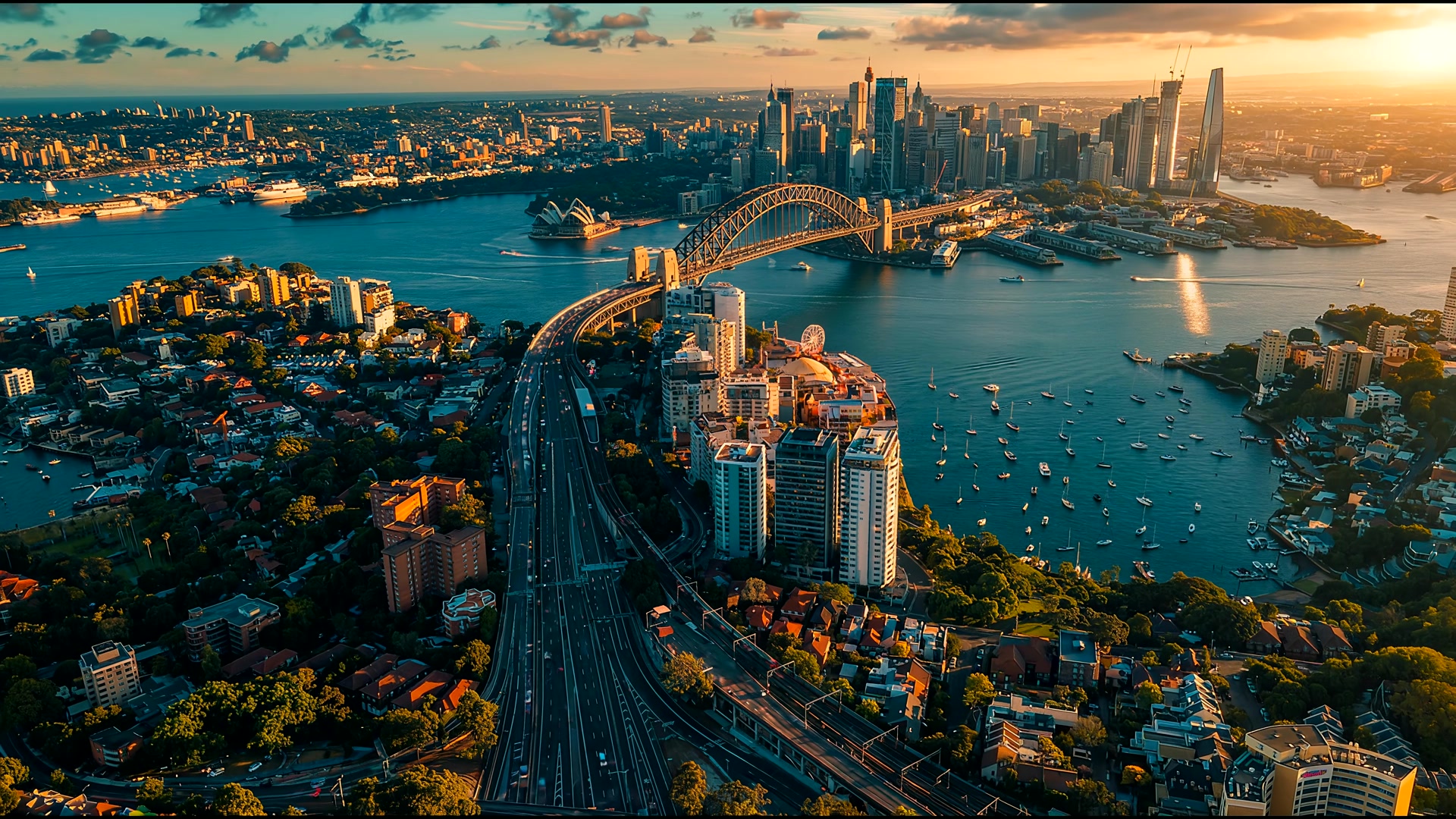
While Sydney does not have the extreme wind conditions of some cities, tall buildings in the CBD and along the harbour foreshore are subject to significant wind loads. Wind tunnel testing and dynamic analysis are standard practice for any building above approximately 15 storeys in Sydney.
Design Considerations
At ACSES Engineers, we consider wind-induced vibration from the earliest stages of tall building design. The building's shape, mass distribution, and structural system are all optimised to manage dynamic wind effects. Where necessary, we specify supplementary damping systems to ensure occupant comfort and structural performance.

Related Articles
Tell us about your project.
We will respond with a clear understanding of how we can assist.
Partner With Us