
Self-Healing Concrete: The Technology That Could Transform Construction
Self-Healing Concrete Technology
Concrete that repairs its own cracks represents one of the most promising innovations in construction materials science. Self-healing concrete could dramatically extend structure lifespans and reduce the enormous cost of concrete maintenance worldwide.
How It Works
The most promising self-healing concrete technology uses bacteria embedded in the concrete mix. When cracks form and water penetrates, the bacteria are activated and produce calcium carbonate (limestone) that fills the cracks, effectively healing the concrete.
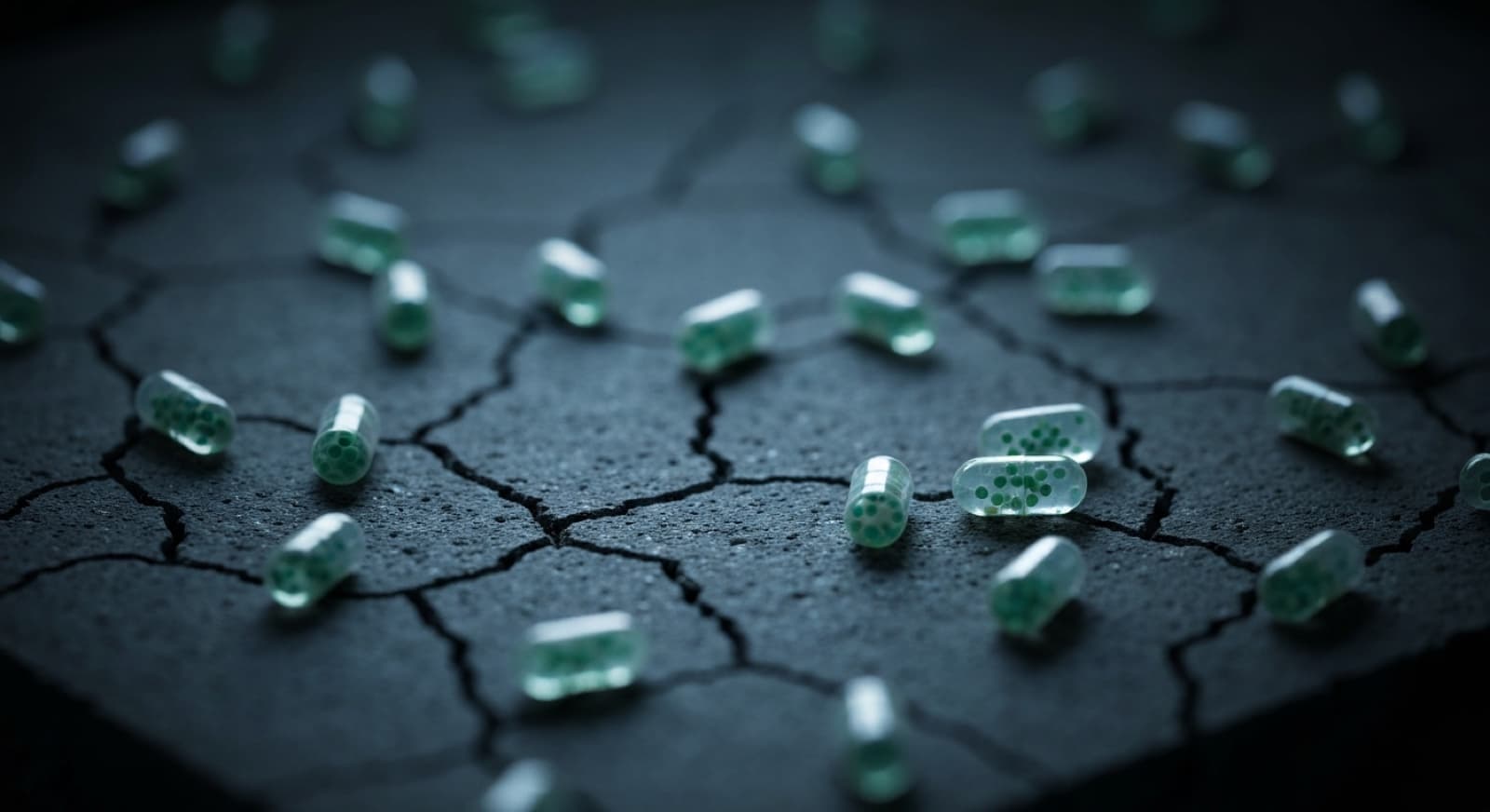
Other approaches include micro-capsules filled with healing agents that rupture when cracks form, releasing material that fills the gap. Shape-memory polymers and vascular networks that deliver healing agents are also being researched.
Practical Benefits
Concrete cracking is inevitable - it is a natural consequence of the material's low tensile strength. Currently, crack repair is expensive, disruptive, and often only temporary. Self-healing concrete could eliminate the need for much of this maintenance, extending the service life of structures by decades.
Current Status
Self-healing concrete is still primarily a research technology, although several pilot projects have demonstrated its effectiveness in real-world conditions. The main barrier to commercial adoption is cost - the healing agents add significantly to the material cost of concrete.
Future Outlook
As research continues and production scales up, the cost premium for self-healing concrete is expected to decrease. For critical infrastructure with high maintenance costs, the lifecycle cost savings could justify the premium even at current prices.

Related Articles


Tell us about your project.
We will respond with a clear understanding of how we can assist.
Partner With Us