
Linear Friction Welding: Engineering Applications in Construction
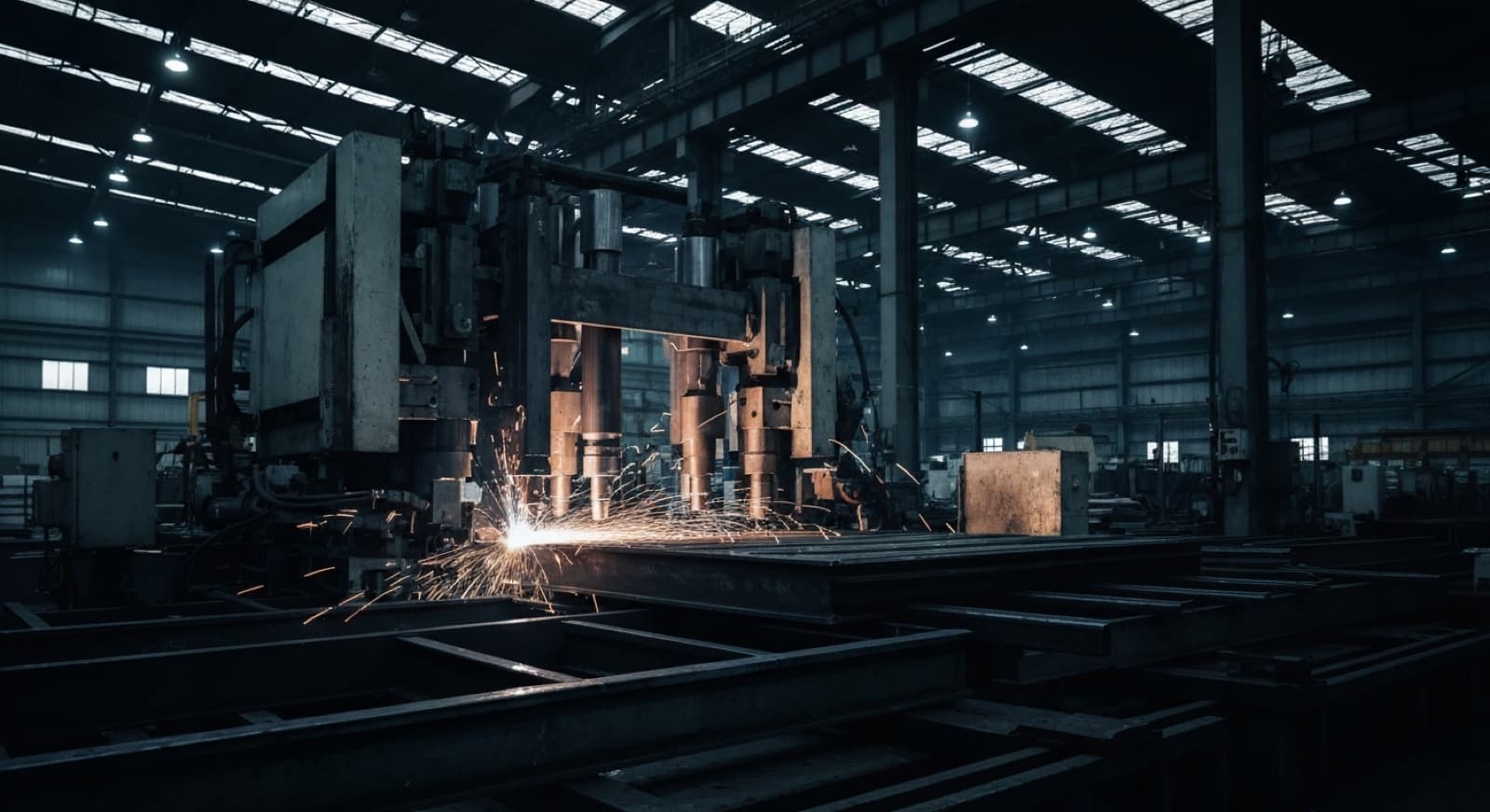
Linear Friction Welding
Linear friction welding is an advanced solid-state joining technology with growing applications in construction and infrastructure. Unlike conventional welding, which melts the materials being joined, linear friction welding uses heat generated by friction under pressure to create a bond.
How It Works
In linear friction welding, two components are pressed together while one oscillates linearly against the other. The friction generates heat at the interface, softening the material. When the oscillation stops and forge pressure is applied, the softened material bonds, creating a joint with properties often superior to the parent material.
Construction Applications
While traditionally used in aerospace manufacturing, linear friction welding is finding applications in construction for joining structural steel members, creating complex steel nodes for space frames, and producing connections with superior fatigue performance compared to conventional welded joints.
Advantages
The process produces joints without melting, which eliminates many of the defects associated with conventional welding - porosity, solidification cracking, and heat-affected zone embrittlement. The resulting joints are typically stronger and more consistent than conventionally welded connections.
Future Potential
As the technology matures and becomes more cost-effective, linear friction welding has the potential to transform how structural steel connections are made, particularly in critical applications where joint quality is paramount.

Related Articles


Tell us about your project.
We will respond with a clear understanding of how we can assist.
Partner With Us