
Multi-Basement Car Parks: Engineering Considerations for Developers
Multi-Basement Car Parks: Engineering Considerations
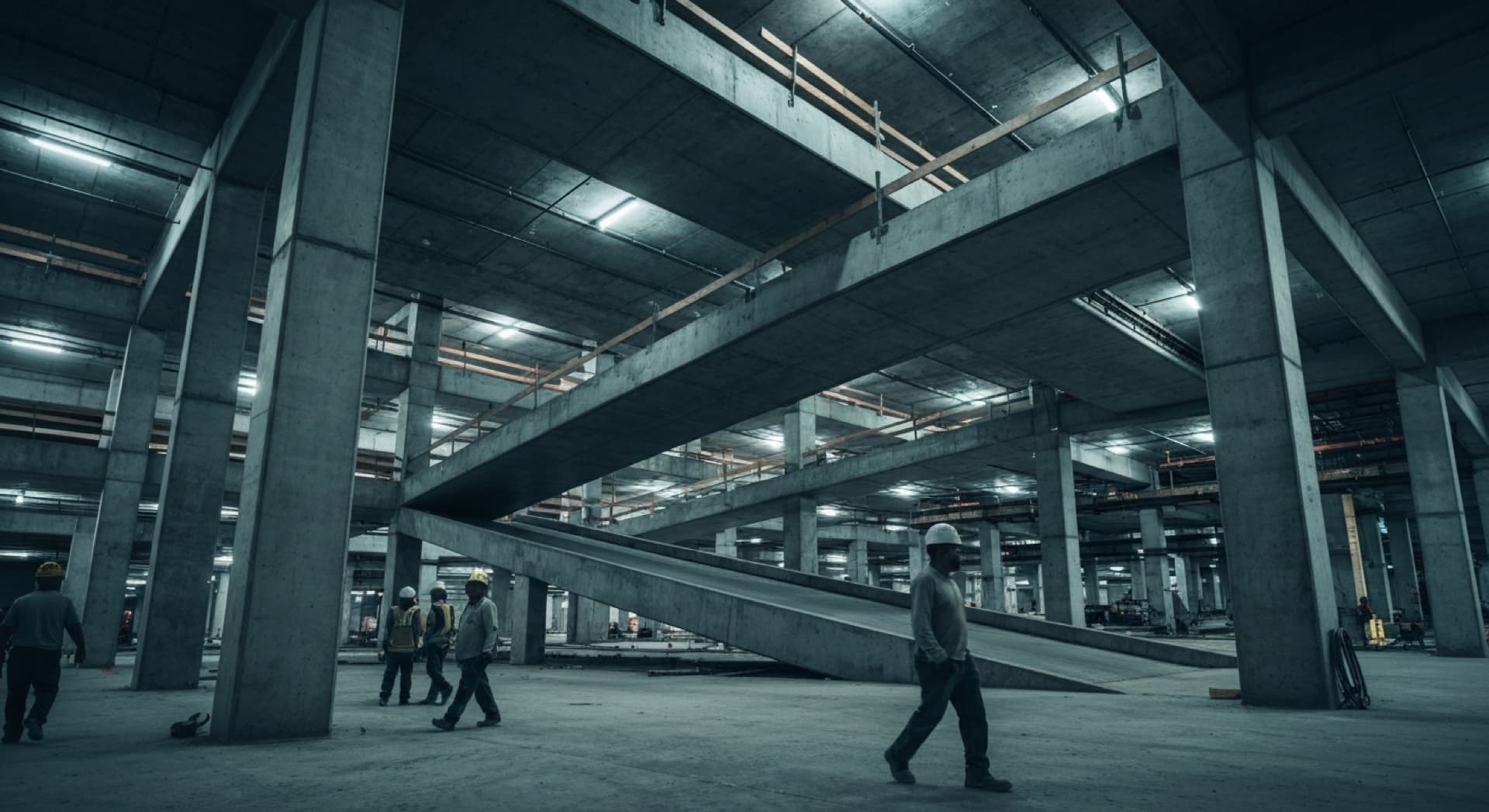
Basement car parks are a standard feature of residential and mixed-use developments in Sydney. Council requirements, planning controls, and market expectations all drive the need for significant below-ground parking. But basements are not just empty boxes under buildings. They require careful engineering to get right.
How Deep Can You Go?
The depth of your basement is determined by the number of parking spaces required, the site area, and the car park layout efficiency. Most residential developments in Sydney feature two to four levels of basement parking. Each level adds approximately 3 metres to the excavation depth (allowing for slab thickness, services, and minimum headroom clearances).
A four-level basement means excavating approximately 12 metres below ground. That is a significant depth, and it influences every aspect of the engineering.
Shoring Considerations
The deeper the excavation, the greater the lateral earth pressures on the shoring walls. The shoring design for a multi-level basement needs to account for:
- Increasing earth pressures with depth
- Hydrostatic pressures from groundwater
- Surcharge loads from adjacent structures and roads
- Ground movement limits to protect neighbouring properties
For deeper basements, the shoring typically transitions from simple cantilevered systems to propped or anchored systems. Anchored pile walls with shotcrete infill are common for three to four-level basements in Sydney, where the geological profile includes sandstone or shale at depth.
Waterproofing
Water management is critical in multi-level basements. Even in rock, water seepage through joints and defects can create long-term maintenance problems if not properly addressed.
The waterproofing strategy typically involves:
- Tanking systems applied to the external face of the basement walls
- Drainage systems to manage any water that penetrates the primary waterproofing
- Sump pumps to remove collected water
- Waterproof membranes under the basement slabs
The structural engineer needs to coordinate with the waterproofing specialist to ensure the structural details are compatible with the waterproofing system. This includes provisions for waterstops at construction joints, membrane protection during construction, and access for future maintenance.
Ventilation
Basement car parks require mechanical ventilation to manage vehicle exhaust emissions. The ventilation system occupies space, typically in the form of ductwork running beneath the slab or within dedicated service zones.
The structural engineer needs to allow for these services in the slab design. This usually means providing sufficient depth between the structural slab soffit and the minimum headroom clearance for ventilation ducts, fire services, electrical services, and hydraulic services.
Minimum Clearances
The Building Code of Australia specifies minimum headroom requirements for car parks, typically 2.2 metres for regular spaces and 2.5 metres for accessible spaces. These clearances must be maintained after all services are installed, not before.
When designing the structure, we need to account for:
- Slab thickness (typically 200 to 300mm for basement slabs)
- Service zones (typically 300 to 500mm depending on the services required)
- Minimum headroom clearance (2.2 to 2.5 metres)
The sum of these requirements determines the floor-to-floor height, which directly affects the total excavation depth and cost.
Ramp Design
Access ramps between basement levels need to achieve the required gradient while maintaining adequate headroom and visibility. The gradient is typically limited to 1:5 (20%) for short ramps and 1:8 (12.5%) for longer ramps, with transition gradients at the top and bottom.
The structural design of ramps needs to account for the dynamic loads from vehicles accelerating and braking on the gradient, as well as the dead weight of the ramp structure itself.
Cost Implications
Each additional level of basement adds significant cost to the project:
- Additional excavation and disposal of spoil
- Additional shoring works
- Additional concrete and reinforcement for the basement structure
- Additional waterproofing
- Additional mechanical ventilation
- Longer construction programme
Developers should carefully assess the cost-benefit of each additional basement level during the feasibility stage. In some cases, it may be more economical to provide fewer basement levels and make up the parking shortfall through mechanical stacking or other solutions.
Our Approach
At ACSES Engineers, we design multi-level basements from a holistic perspective. We consider the shoring, the structure, the waterproofing coordination, the services zones, and the construction methodology as an integrated package. This approach minimises coordination issues and produces a more efficient design.
If you are planning a development with multiple basement levels, engage your structural engineer early. The basement design influences everything above it, and getting it right from the start saves time, money, and stress.

Related Articles
Tell us about your project.
We will respond with a clear understanding of how we can assist.
Partner With Us