
The Future of 3D Printed Construction: Revolution or Evolution?
The Future of 3D Printed Construction
Three-dimensional printing in construction has moved from a novelty concept to a technology with genuine potential to transform how we build. The question is no longer whether 3D printing will impact construction, but how quickly and to what extent.
Current State of the Technology
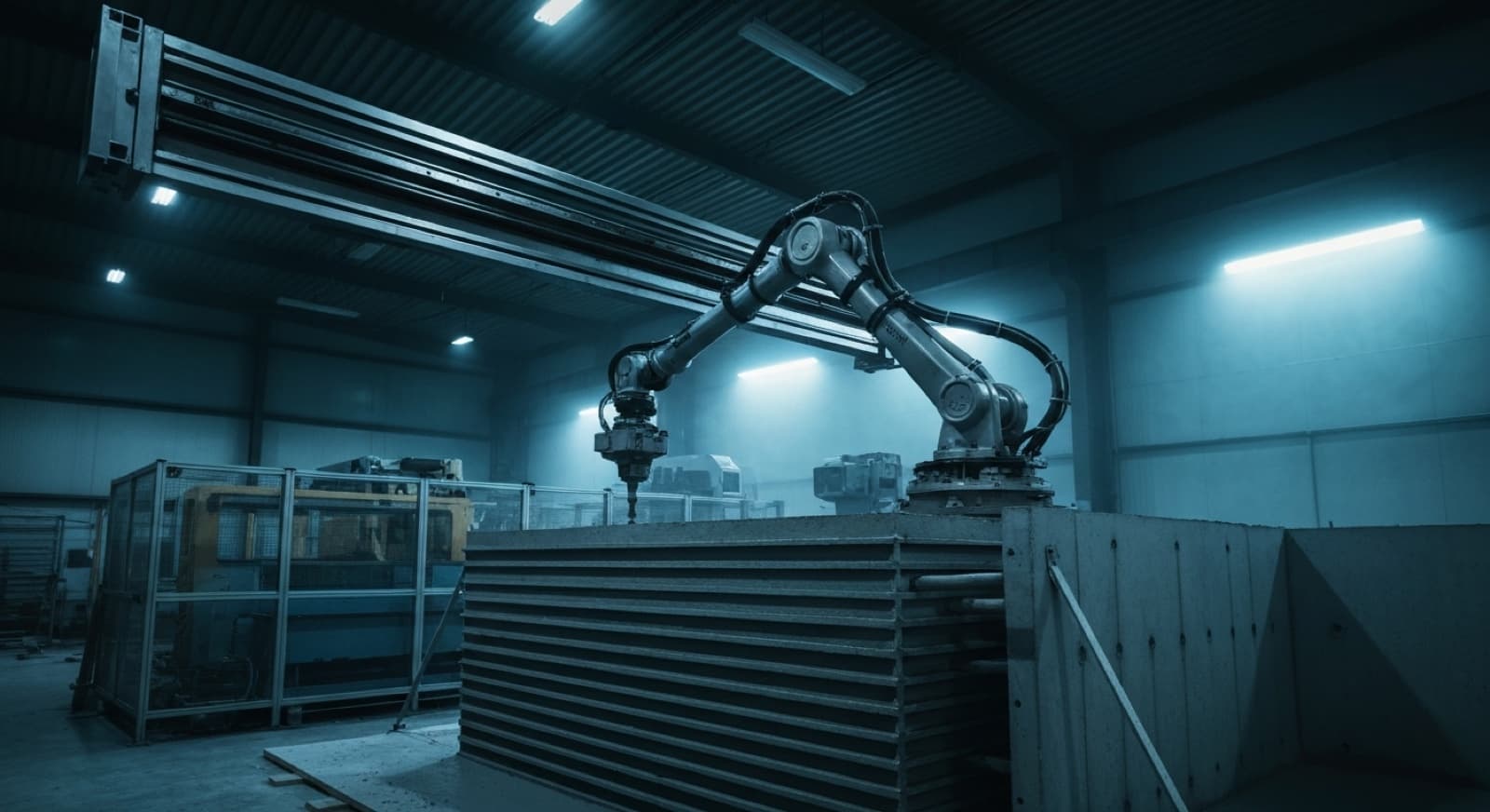
Several companies worldwide are now producing 3D printed buildings. The technology uses large-scale robotic systems to extrude concrete or other cementitious materials layer by layer, building walls and structural elements without traditional formwork.
A Belgian company recently demonstrated the production of a two-storey house measuring approximately 90 square metres, with printing completed in approximately three weeks. Future projections suggest this timeframe could be reduced to days.
Advantages
The potential advantages of 3D printed construction include reduced material waste, lower labour requirements, faster construction times, the ability to create complex geometries at no additional cost, and reduced safety risks from working at height.
Limitations
However, significant challenges remain. Current 3D printing systems are limited in the materials they can use, the size of structures they can produce, and the structural performance they can achieve. Reinforcement integration remains a particular challenge - standard reinforced concrete design relies on steel reinforcement placed within the concrete, and current 3D printing systems struggle to incorporate this effectively.
Regulatory Considerations
Building codes and standards have not yet caught up with 3D printed construction. In Australia, any structural system must comply with the National Construction Code and relevant Australian Standards. Until these documents address 3D printed construction specifically, each project requires individual assessment and certification.
Engineering Perspective
At ACSES Engineers, we view 3D printing as a promising but still developing technology. For certain applications - particularly simple, repetitive structures - it may offer genuine advantages in the near future. For complex multi-storey buildings, conventional construction methods are likely to remain dominant for some time.

Related Articles


Tell us about your project.
We will respond with a clear understanding of how we can assist.
Partner With Us