
Fire Engineering and Structural Design: How They Work Together
Fire Engineering and Structural Design: How They Work Together
Fire engineering and structural engineering are two disciplines that intersect more than most people realise. The structural system must maintain its integrity during a fire long enough for occupants to evacuate and for firefighters to do their job. Understanding this interaction is important for developers and builders.
Fire Resistance Levels
The Building Code of Australia specifies Fire Resistance Levels (FRLs) for structural elements. An FRL has three components, expressed in minutes:
- Structural adequacy - how long the element can carry its loads during a fire
- Integrity - how long the element prevents the passage of flames and hot gases
- Insulation - how long the element prevents excessive heat transfer to the unexposed face
For example, an FRL of 120/120/120 means the element must maintain all three functions for 120 minutes.
What This Means for Structural Design
The required FRL directly influences the design of structural elements:
Concrete Members
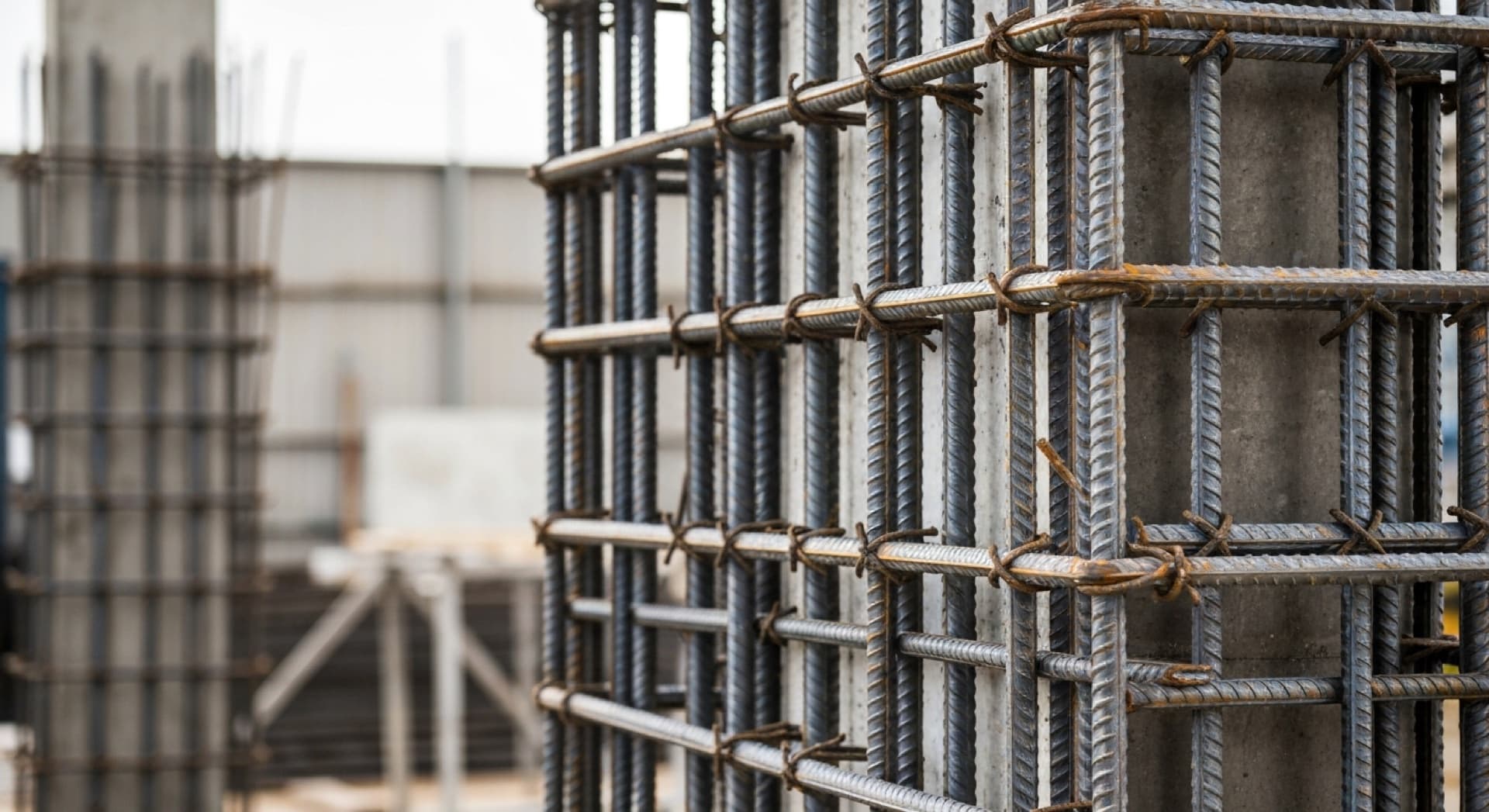
Concrete has inherently good fire resistance. The cover to the reinforcement protects the steel from heat, and the mass of the concrete acts as a heat sink. For typical residential buildings, reinforced concrete columns, walls, and slabs can generally achieve the required FRLs with appropriate cover to reinforcement and minimum member dimensions.
Our structural designs specify the reinforcement cover to satisfy both durability requirements and fire resistance requirements. The governing requirement (whichever requires more cover) is adopted in the final design.
Steel Members
Steel loses strength rapidly at elevated temperatures. Structural steel elements typically require fire protection in the form of intumescent coatings, board encasement, or spray-applied protection. The type and thickness of protection depends on the required FRL and the steel section size.
Timber Members
Timber chars at a predictable rate during a fire, and the charring effectively insulates the inner core of the member. Engineered timber products such as CLT (cross-laminated timber) can achieve significant FRLs by designing the members with sufficient sacrificial charring depth.
Performance-Based Fire Engineering
For complex buildings, a performance-based fire engineering assessment may be prepared by a specialist fire engineer. This assessment can demonstrate that the building achieves an acceptable level of fire safety through a combination of passive and active fire protection measures, even if specific elements do not comply with the deemed-to-satisfy provisions of the BCA.
When a performance-based fire engineering report is prepared, the structural engineer needs to design the structural elements to satisfy the specific FRLs and fire scenarios identified in that report. This requires close coordination between the fire engineer and the structural engineer.
Practical Considerations
Connection Details
In a fire, the performance of connections between structural elements is as important as the performance of the elements themselves. A column may have adequate FRL, but if its connection to the beam above fails prematurely, the system fails. We design connections with fire performance in mind.
Service Penetrations
Penetrations through fire-rated structural elements (such as slabs and walls) need to be sealed with appropriate fire-rated penetration systems. The structural drawings should identify the fire rating requirements for each element so the builder can install the correct sealing systems.
Compartmentation
The structural layout contributes to fire compartmentation. Load-bearing walls that also serve as fire compartment boundaries need to achieve FRLs in all three categories (structural adequacy, integrity, and insulation). The structural design needs to be coordinated with the fire compartmentation plan.
Our Approach
At ACSES Engineers, we coordinate with the fire engineer and the architect to ensure the structural design satisfies all fire resistance requirements. We specify the required FRLs on our drawings, design members and connections to achieve those ratings, and coordinate penetration locations to maintain fire integrity.
Fire safety is non-negotiable. The structural system must perform during a fire, and our designs ensure that it does.

Related Articles
Tell us about your project.
We will respond with a clear understanding of how we can assist.
Partner With Us