
Acoustic Engineering Considerations for Residential Buildings
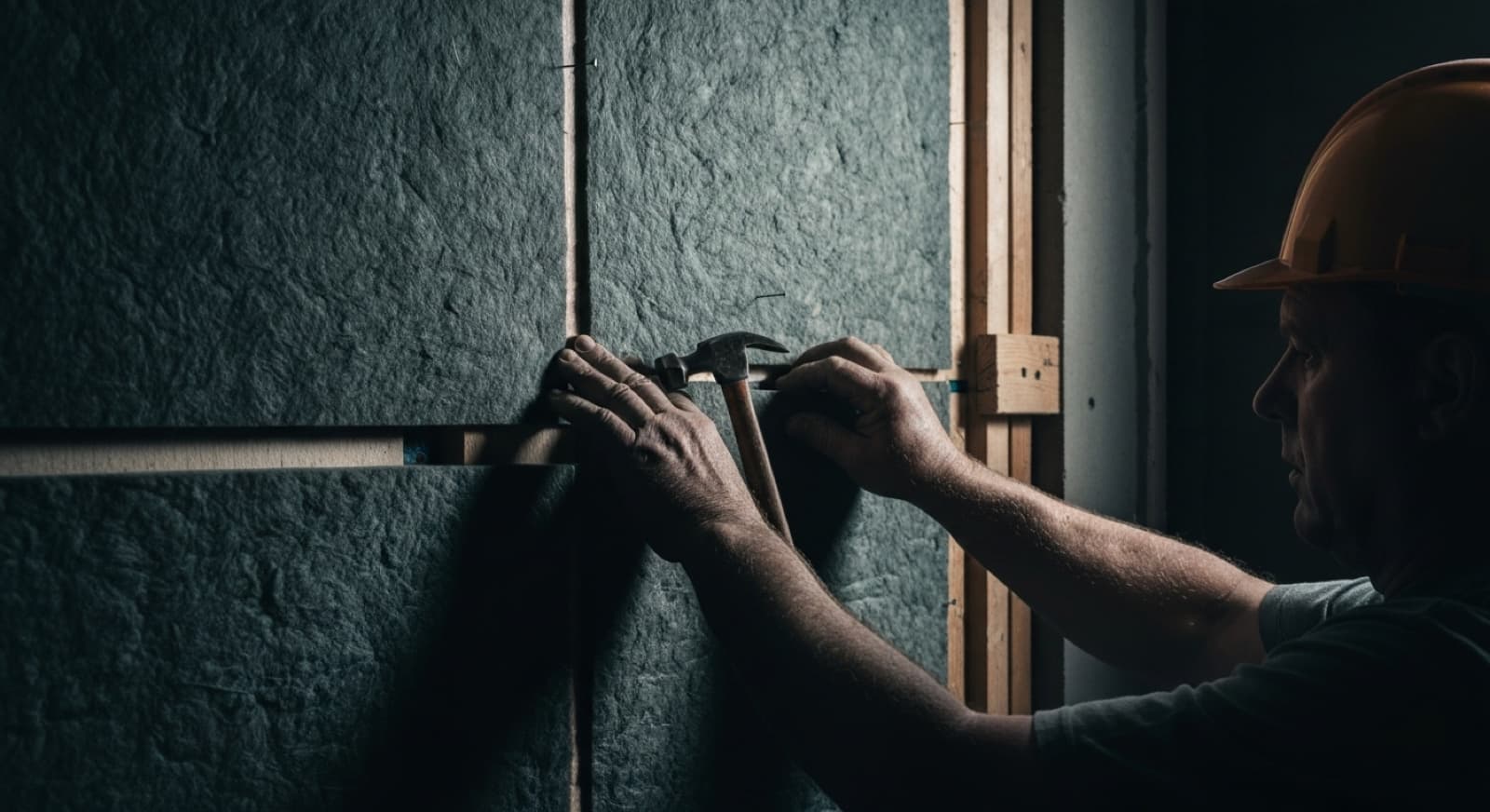
Acoustic Engineering Considerations for Residential Buildings
No one wants to hear their neighbour's television through the wall. Acoustic performance is one of the most important quality indicators in residential buildings, and the structural system plays a central role in achieving it.
How Structure Affects Acoustics
Sound travels through buildings in two ways:
- Airborne sound - voices, music, television - transmits through the air and is blocked by the mass and stiffness of walls and floors
- Impact sound - footsteps, dropped objects - transmits through the structure itself and is controlled by the mass, stiffness, and damping of the floor system
The structural engineer's choices directly influence both. The wall types, floor construction, and connection details all affect the acoustic performance of the finished building.
Wall Construction
For acoustic separation between apartments, mass is king. Heavy, dense walls transmit less airborne sound. This is one reason why reinforced concrete walls provide excellent acoustic separation between units.
Common wall construction options and their approximate sound insulation performance:
- 200mm reinforced concrete wall: Excellent airborne sound insulation (Rw 55-60)
- Dincel or Rediwall permanent formwork with concrete fill: Good to excellent (Rw 50-58)
- Hebel AAC blocks (200mm): Moderate to good (Rw 45-50)
- Lightweight framed walls: Variable, depends on insulation, linings, and detailing
The Building Code of Australia requires a minimum weighted sound reduction index (Rw) of 50 for walls between sole-occupancy units. In practice, good developers aim for better than the minimum to reduce complaints and improve occupant satisfaction.
Floor Construction
Floor acoustic performance needs to address both airborne and impact sound. A solid reinforced concrete slab provides good airborne sound insulation due to its mass. However, impact sound, particularly from footsteps, can transmit efficiently through solid concrete.
To control impact sound, the floor system typically includes:
- A resilient layer beneath the finished floor (such as rubber mat or foam underlay)
- A floating floor that is structurally isolated from the concrete slab
- Ceiling treatments such as suspended ceilings with insulation in the cavity
The structural engineer needs to account for the additional load of floating floor systems and any suspended ceiling supports in the slab design.
Post-Tensioned vs Conventional Slabs
Post-tensioned (PT) slabs tend to be thinner than conventionally reinforced slabs for the same span. While PT slabs offer structural and cost advantages, the reduced mass can affect acoustic performance.
If a PT slab is used, the acoustic performance may need to be supplemented with additional floor or ceiling treatments. This is not a reason to avoid PT slabs; it is simply a factor that needs to be considered in the overall design.
Structural Connections
Sound can bypass even the best walls and floors through structural connections. This phenomenon, called flanking transmission, occurs when sound travels through the structure around the separating element rather than through it.
Common flanking paths include:
- Continuous concrete slabs that connect adjacent apartments through the floor
- Columns and walls that are structurally connected on both sides of a separating wall
- Service penetrations through fire-rated and acoustically rated walls and floors
The structural design can minimise flanking by:
- Incorporating structural breaks at separating walls where practical
- Detailing connections to reduce vibration transmission
- Coordinating penetration locations with the acoustic requirements
Coordination with Acoustic Consultants
On quality residential projects, an acoustic consultant is engaged to specify the acoustic performance requirements and verify compliance. The structural engineer needs to work with the acoustic consultant to ensure the structural design achieves the required acoustic ratings.
This coordination should happen during the design phase, not after the structure is built. Retrofitting acoustic performance into an existing structure is expensive and often compromised.
Our Approach
At ACSES Engineers, we consider acoustic performance as part of our structural design process. We understand that the wall types, slab construction, and connection details we specify directly influence the living experience of the building's residents.
When we recommend a wall type or slab system, acoustic performance is one of the factors we consider alongside structural efficiency, fire resistance, durability, and cost. This holistic approach ensures the finished building meets expectations across all performance criteria.

Related Articles
Tell us about your project.
We will respond with a clear understanding of how we can assist.
Partner With Us