
Engineering for Flood-Prone Sites in Sydney and NSW
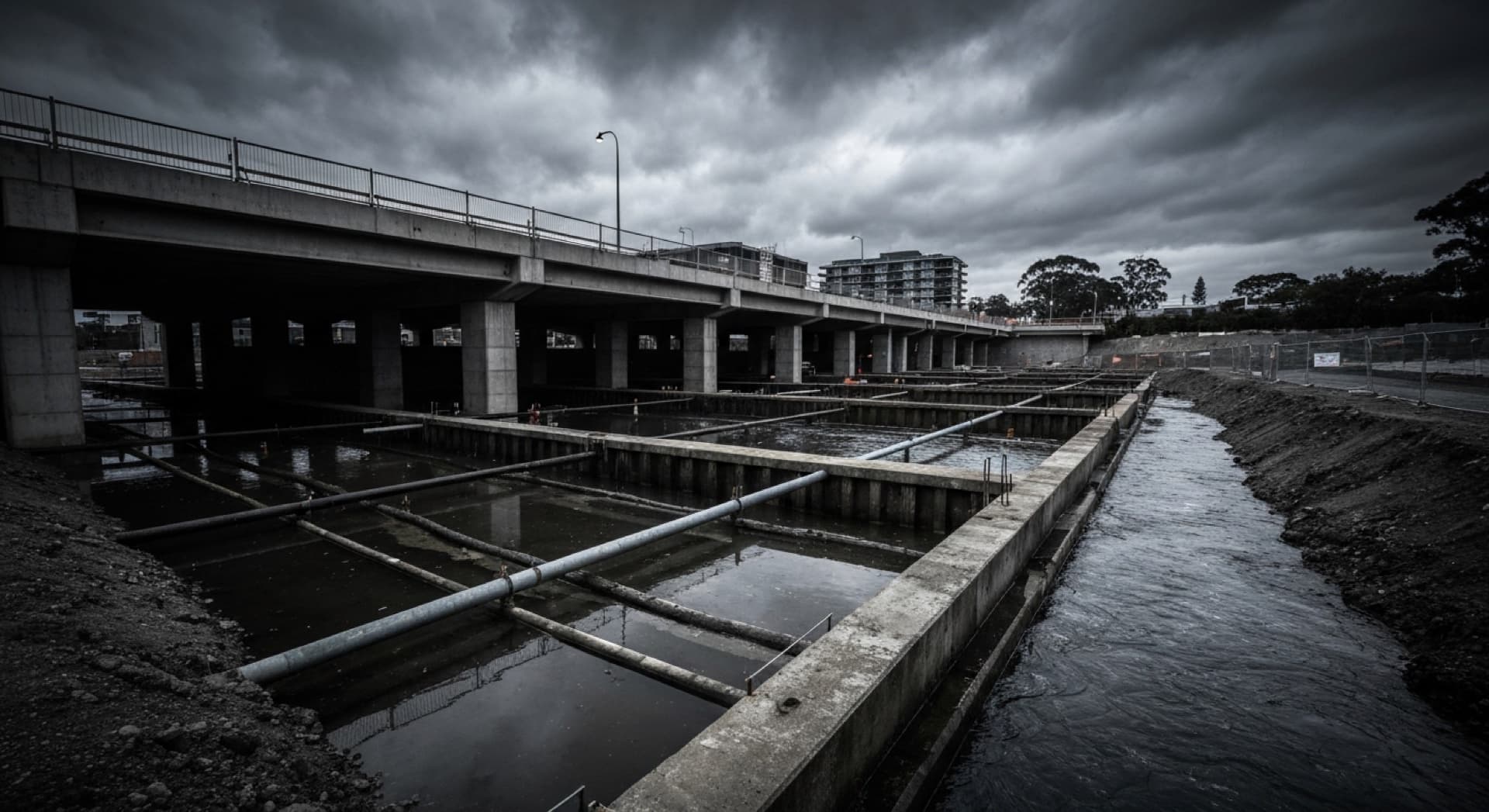
Engineering for Flood-Prone Sites
If your development site is identified as flood-prone, the engineering requirements change significantly. Flood-prone sites are more common in Sydney than many people realise, and the regulatory requirements have become increasingly stringent in recent years.
Identifying Flood Risk
Flood-prone land is identified through flood studies prepared by or on behalf of local councils. These studies model flood behaviour for various storm events and identify the flood planning level (FPL) for each property.
The FPL is the flood level used to determine development controls. It is typically the 1% Annual Exceedance Probability (AEP) flood level plus a freeboard allowance (usually 500mm). Any habitable floor area must be at or above the FPL.
What It Means for Structural Design
Building on a flood-prone site introduces additional design requirements:
Flood Loads
The structure must resist the forces generated by floodwater. These include:
- Hydrostatic loads from the depth of water against the building walls and floors
- Hydrodynamic loads from the velocity of flowing water
- Debris impact loads from waterborne objects striking the building
- Buoyancy forces that can lift the building if it is not adequately anchored
Our structural analysis models these flood loads in combination with the normal gravity and wind loads. The result is a structure designed to withstand both everyday conditions and flood events.
Materials
Building materials below the FPL must be flood-compatible. This means materials that can withstand immersion in floodwater without deteriorating. Reinforced concrete is inherently flood-compatible. Other materials such as plasterboard, timber framing, and standard insulation are not, and must be replaced with flood-resistant alternatives below the FPL.
Flood-Compatible Design
The building design needs to accommodate the passage of floodwater through the lower levels. This might include:
- Open car park areas at ground level that allow water to flow through
- Breakaway walls that collapse under flood loads to prevent structural damage
- Raised habitable floor levels above the FPL
- Flood-resistant electrical and mechanical installations below the FPL
Civil Engineering Considerations
The civil engineering design on a flood-prone site also needs to address:
- Site drainage that functions during and after a flood event
- Stormwater systems that do not exacerbate flooding
- Access to the site during minor flood events
- Evacuation routes for occupants during major flood events
The Approvals Process
Developing on flood-prone land requires additional approvals beyond the standard DA process. The council will typically require:
- A site-specific flood study or assessment
- A flood emergency response plan
- Demonstration that the development does not increase flood risk to neighbouring properties
- Compliance with the council's flood policy and development control plan
The flood study or assessment is a specialist document, usually prepared by a hydraulic engineer, that analyses the flood behaviour at the site and demonstrates compliance with the relevant flood controls.
Our Experience
We have designed structures on flood-prone sites across Sydney, from the Georges River floodplain to the Parramatta River catchment. Our approach integrates the flood design requirements into the overall structural and civil engineering package from the earliest stages.
Advice for Developers
- Check the flood status of your site before purchasing or committing to a development
- Engage a hydraulic engineer early to determine the FPL and flood design requirements
- Coordinate the structural design with the flood requirements from the start
- Allow time and budget for the additional approvals and engineering required
- Do not treat flood design as an afterthought; retrofitting flood compliance is expensive
Flood-prone sites can be developed successfully with proper planning and competent engineering. The key is to understand the requirements early and design for them from the outset.

Related Articles
Tell us about your project.
We will respond with a clear understanding of how we can assist.
Partner With Us