The World's Greenest Buildings: Lessons in Sustainable Design
The World's Greenest Buildings
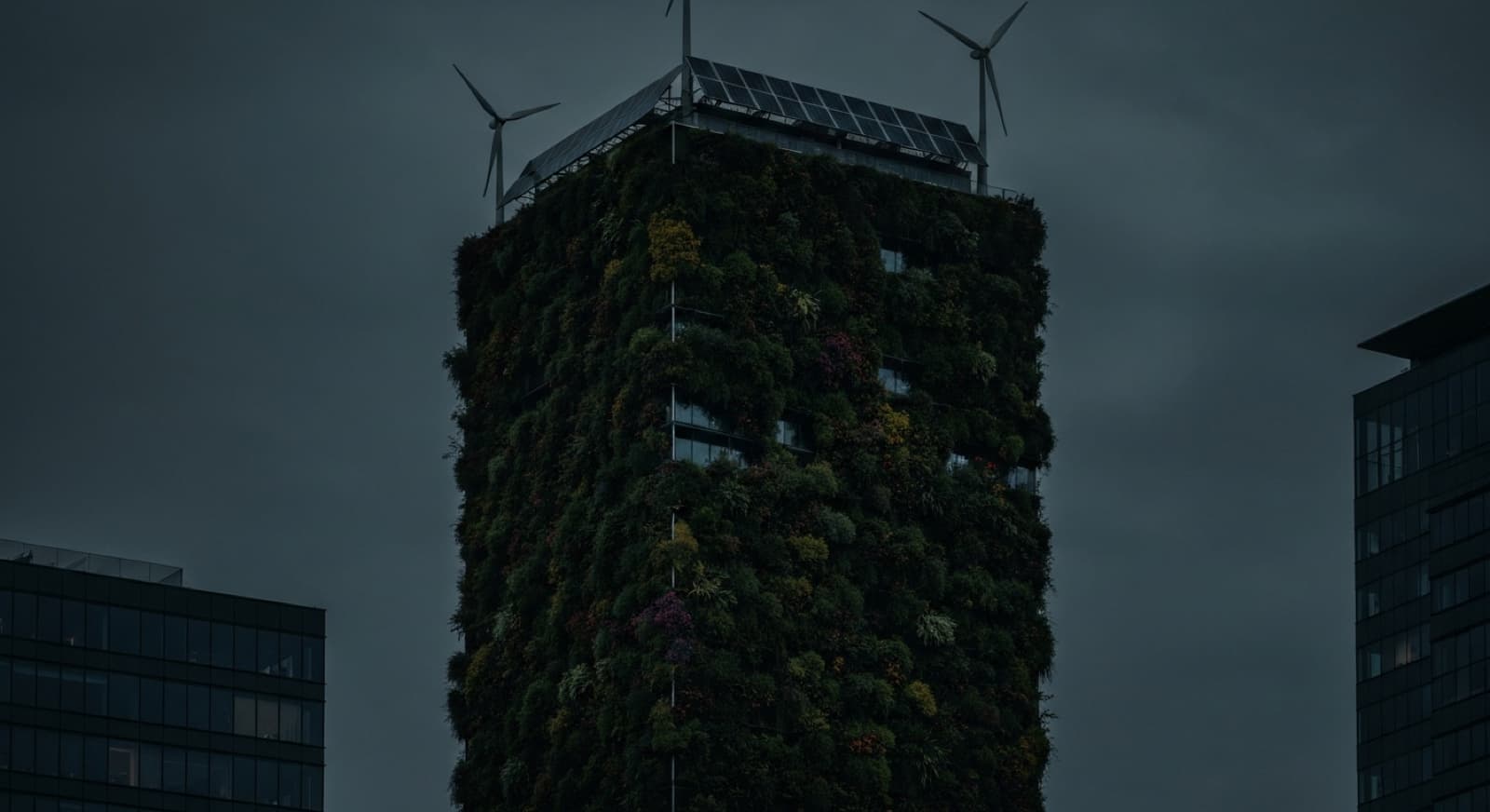
These buildings demonstrate what is possible when engineering meets environmental ambition. They generate their own energy, recycle their own water, and minimise their environmental impact across every dimension.
Defining Green
The greenest buildings go beyond energy efficiency. They consider the full lifecycle of the building - from material sourcing and construction through operation to eventual demolition or deconstruction. They minimise carbon emissions, water consumption, waste generation, and environmental disruption.
Leading Examples
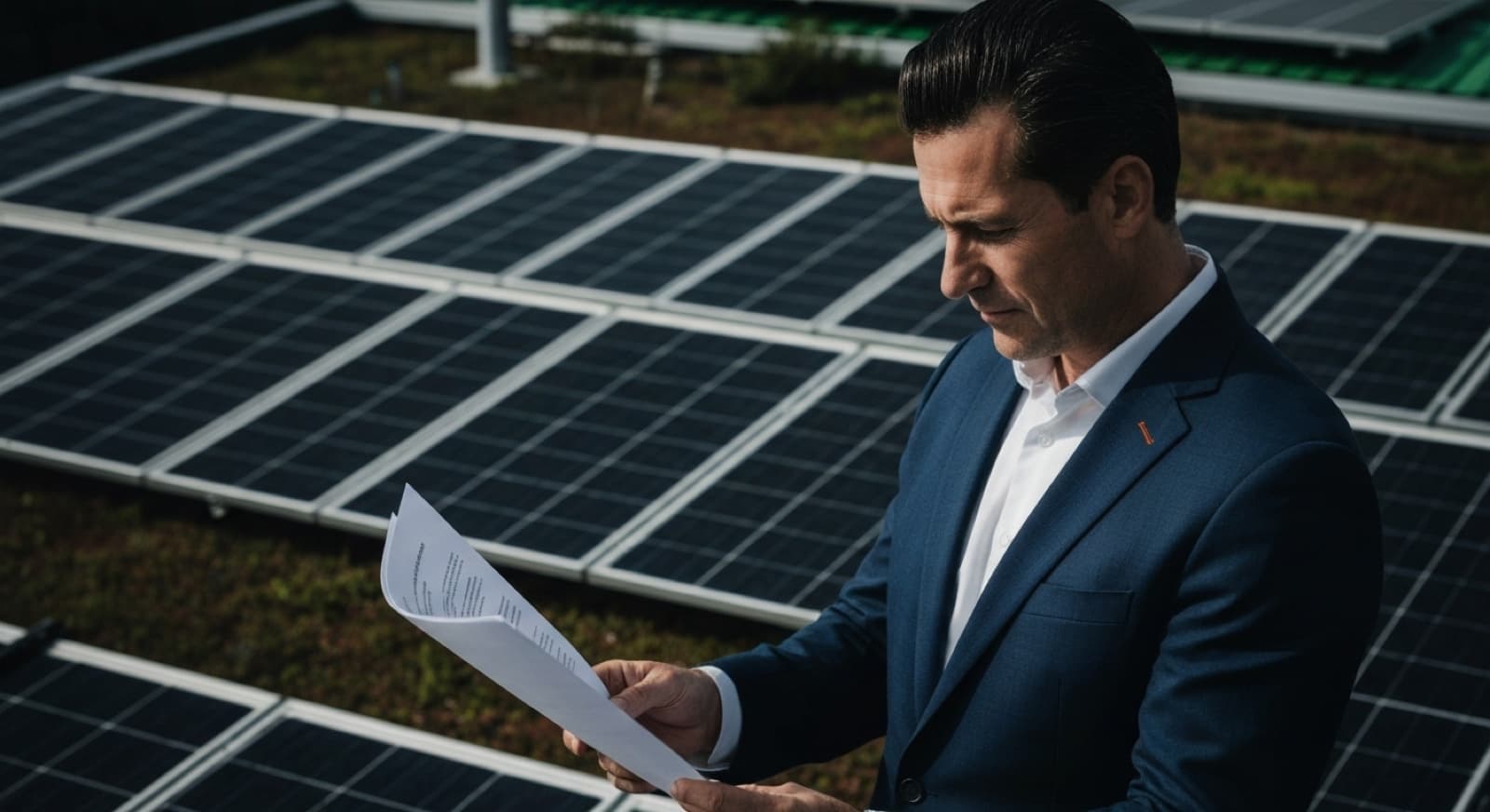
The Bullitt Center in Seattle was designed as a living building, generating more energy than it consumes through a rooftop solar array. Its composting toilets, rainwater harvesting system, and toxic-free materials represent a radical approach to sustainable construction.
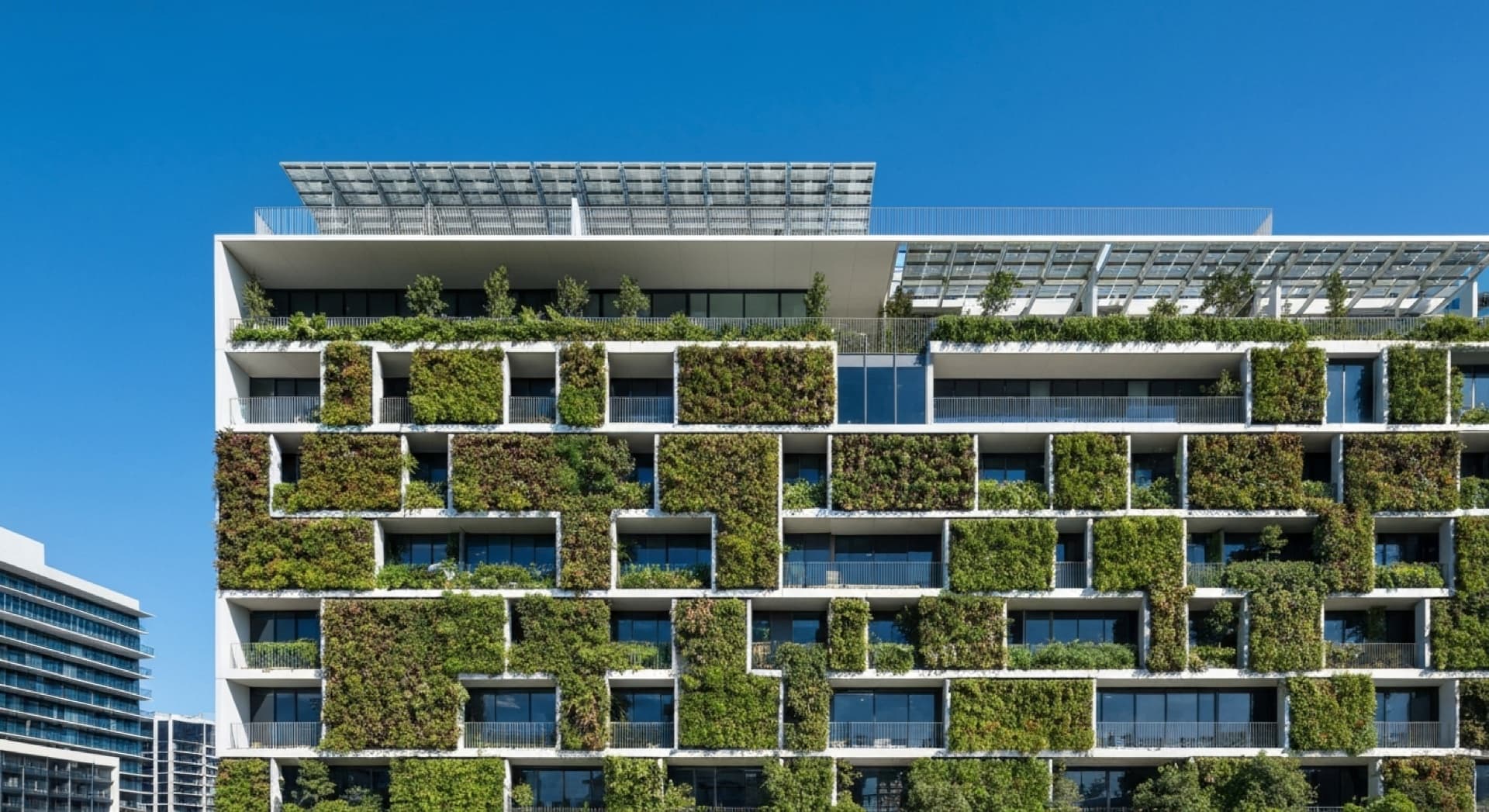
One Central Park in Sydney combines vertical gardens with a heliostat system that redirects sunlight to shaded areas. The building demonstrates how engineering can integrate natural systems into urban architecture.
Engineering Challenges
Designing truly green buildings creates unique engineering challenges. Structural systems must accommodate the weight of green roofs and vertical gardens. Building services must be designed for maximum efficiency. And materials must be selected for both structural performance and environmental impact.
Our Approach
At ACSES Engineers, we believe that sustainable engineering starts with efficient structural design. By minimising material usage through optimised design, we reduce the embodied carbon of every project we deliver.

Related Articles
Tell us about your project.
We will respond with a clear understanding of how we can assist.
Partner With Us