
Should You Pursue a PhD? An Employer's Perspective
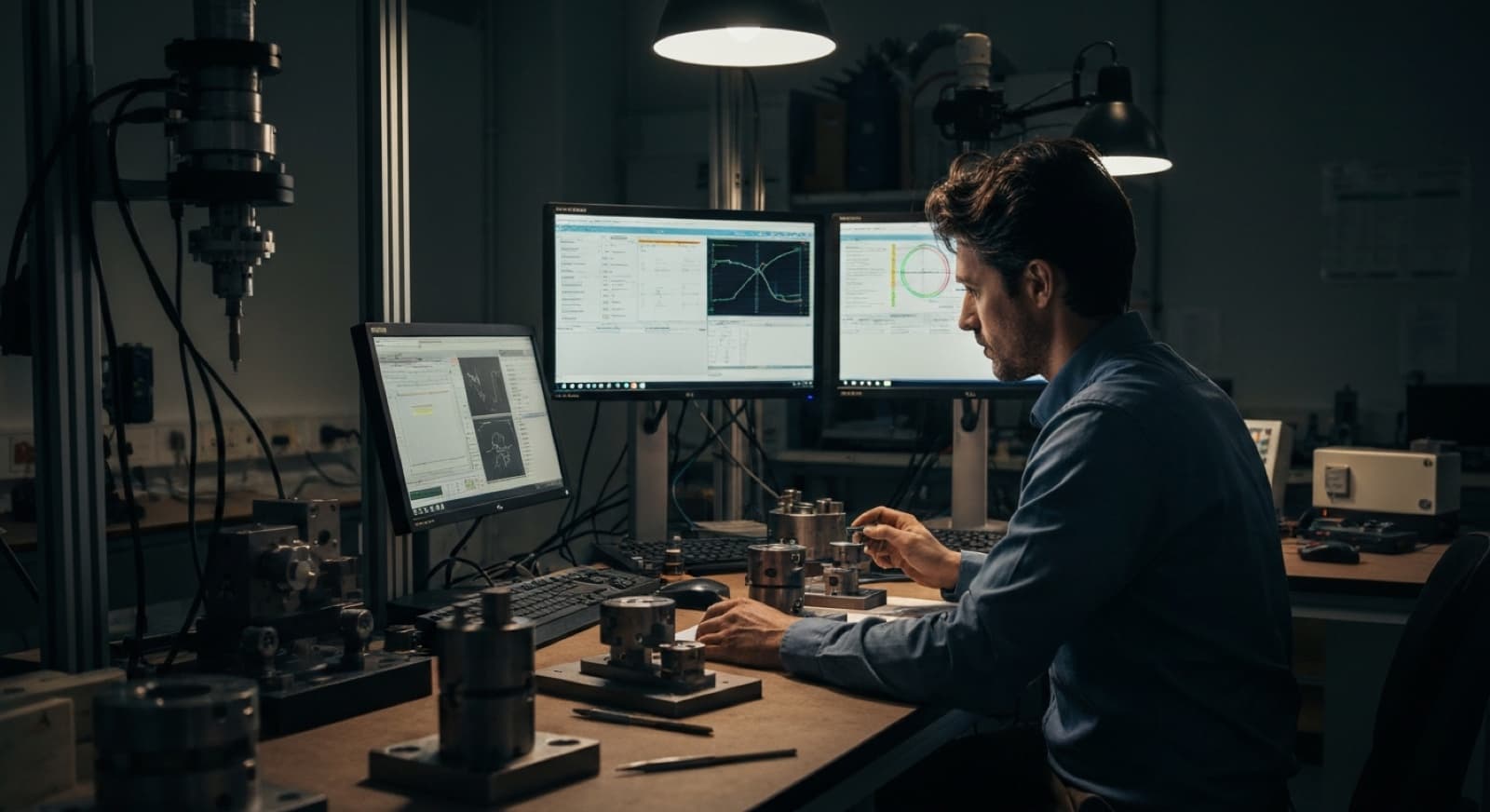
The PhD Question
One of the most common questions we get from young engineers is whether a PhD is worth pursuing. As someone who runs an engineering consultancy chartered across structural, civil, geotechnical, and project management disciplines, with almost three decades of hiring and mentoring engineers, I have a perspective shaped by watching careers unfold.
The Value of Deep Expertise
A PhD teaches something that no amount of professional experience can replicate: how to think about problems that have no known solution. In professional practice, most problems have established methodologies. A PhD trains you to work at the frontier, where the textbooks end and original thinking begins.
This capacity for original thought is rare and valuable. Engineers who can approach novel problems with rigour and creativity are the ones who advance the profession.
What a PhD Actually Develops
Beyond subject-matter expertise, a PhD develops several critical skills:
Critical analysis. The ability to evaluate research, data, and claims with intellectual rigour. In an industry where codes and standards evolve, this skill is essential.
Written communication. Producing a thesis requires thousands of hours of writing. PhD graduates tend to produce clearer, more structured technical reports and specifications.
Persistence. A PhD is a multi-year commitment with periods of frustration and uncertainty. Engineers who complete one have demonstrated an ability to push through adversity.
Teaching ability. Most PhD candidates spend time tutoring or lecturing. This experience translates directly to mentoring junior engineers and communicating with clients.
The Employer's Perspective
As an employer, I value PhD holders for specific roles. When we are tackling complex geotechnical problems, developing innovative structural solutions, or navigating unusual loading conditions, having someone with deep research capability on the team is an asset. Several of our senior engineers hold PhDs from USyd and UNSW with published research, and their depth genuinely lifts the work.
However, I also value practical experience highly. A PhD without practical site experience leaves gaps. The best engineers combine academic depth with hands-on understanding of construction processes. In my own three decades across four chartered disciplines, the lessons that made the biggest difference came from being on site, not from any textbook.
When a PhD Makes Sense
A PhD is worth pursuing if:
- You are genuinely passionate about a specific area of engineering
- You want to contribute to the body of knowledge in your field
- You are considering an academic career alongside or instead of practice
- You want to work on problems that require frontier-level thinking
When It Might Not
A PhD may not be the right choice if:
- You are pursuing it primarily for the title or perceived prestige
- You would rather be designing and building than researching
- You are concerned about the opportunity cost of three to four years outside industry
- Your career goals are focused on project management or business leadership
The ACSES Approach
At ACSES Engineers, we have always valued continuous learning. Whether that takes the form of a PhD, a master's degree, chartered status across multiple disciplines, professional development courses, or simply learning from experienced colleagues, what matters is the commitment to getting better.
Our model combines PhD-qualified associates with chartered multi-disciplinary generalists. That mix of research-level depth and first-principles breadth is what lets us take on projects others cannot.
Final Thoughts
A PhD is not a prerequisite for a successful engineering career. But for those with the aptitude and passion for research, it can be a transformative experience that elevates both your capability and the profession as a whole. Not everyone needs to walk that road. Everyone, regardless of path, needs to keep learning.

Related Articles


Tell us about your project.
We will respond with a clear understanding of how we can assist.
Partner With Us