
Tips for Engineers Starting Their Career
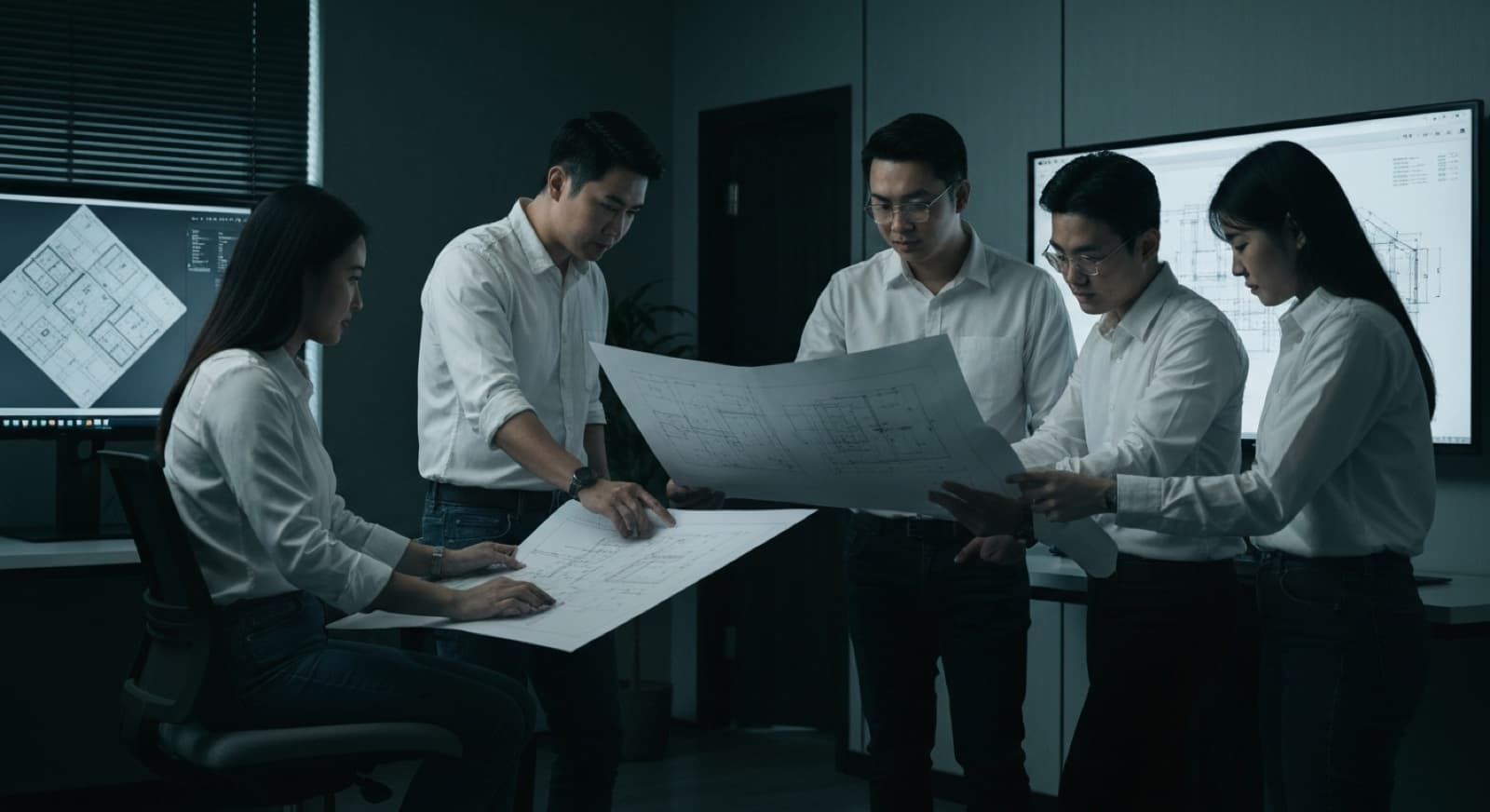
Starting Your Engineering Career the Right Way
The transition from university to professional engineering practice is one of the most significant shifts you will experience. The theory you have learned provides a foundation, but the real learning begins on the job.
Find a Mentor Early
One of the most impactful things you can do in your first year is find a senior engineer willing to guide you. A good mentor does not just answer questions - they challenge your assumptions, expose you to complex problems, and help you see the bigger picture.
At ACSES Engineers, we have always prioritised mentorship. George Khalil built the firm on the principle that knowledge transfer is the backbone of great engineering. Every graduate who has come through our doors has had direct access to senior engineers across structural, civil, and geotechnical disciplines.
Master the Fundamentals Before Chasing Software
It is tempting to dive straight into finite element software and advanced modelling tools. Resist that urge. Spend your first year understanding load paths, equilibrium, and how structures actually behave. Software is a tool - it is only as good as the engineer operating it.
Learn to sketch free body diagrams by hand. Understand tributary areas intuitively. When you can look at a structure and estimate the forces in your head before running any analysis, you are on the right track.
Ask Questions Without Hesitation
No senior engineer expects a graduate to know everything. What they do expect is curiosity and a willingness to learn. If something does not make sense on a drawing or in a specification, ask. The worst thing you can do is assume and proceed.
The best engineers we have worked with - across more than 1,000 projects - all share one trait: they asked the right questions at the right time.
Get on Site as Often as Possible
Drawings are two-dimensional representations of three-dimensional reality. Until you see rebar being placed, concrete being poured, or shoring being installed, your understanding of engineering is incomplete.
Site visits connect the dots between design intent and construction reality. They also build your credibility with builders and contractors, which matters enormously as your career progresses.
Develop Your Communication Skills
Engineering is not just about calculations. You need to communicate complex ideas clearly - to clients, to contractors, to councils. A brilliant design that cannot be explained is a liability.
Write concise reports. Draw clear sketches during meetings. Learn to distil technical complexity into language that non-engineers can understand. This skill separates good engineers from great ones.
Be Patient with the Process
Career progression in engineering takes time. You will not be designing complex post-tensioned slabs in your first year. That is by design - the industry requires experience before responsibility, and that is a good thing.
Trust the process, stay curious, and invest in your growth every single day. The engineers who do this consistently are the ones who end up leading teams and shaping the built environment.

Related Articles



Tell us about your project.
We will respond with a clear understanding of how we can assist.
Partner With Us