
Structural Failure Analysis: Lessons from the Mexico City Mall Collapse
Learning from Structural Failures
When structures fail, the engineering profession has a responsibility to understand why and to apply those lessons to future practice. Forensic analysis of structural failures has driven some of the most important advances in building codes and engineering methodology.
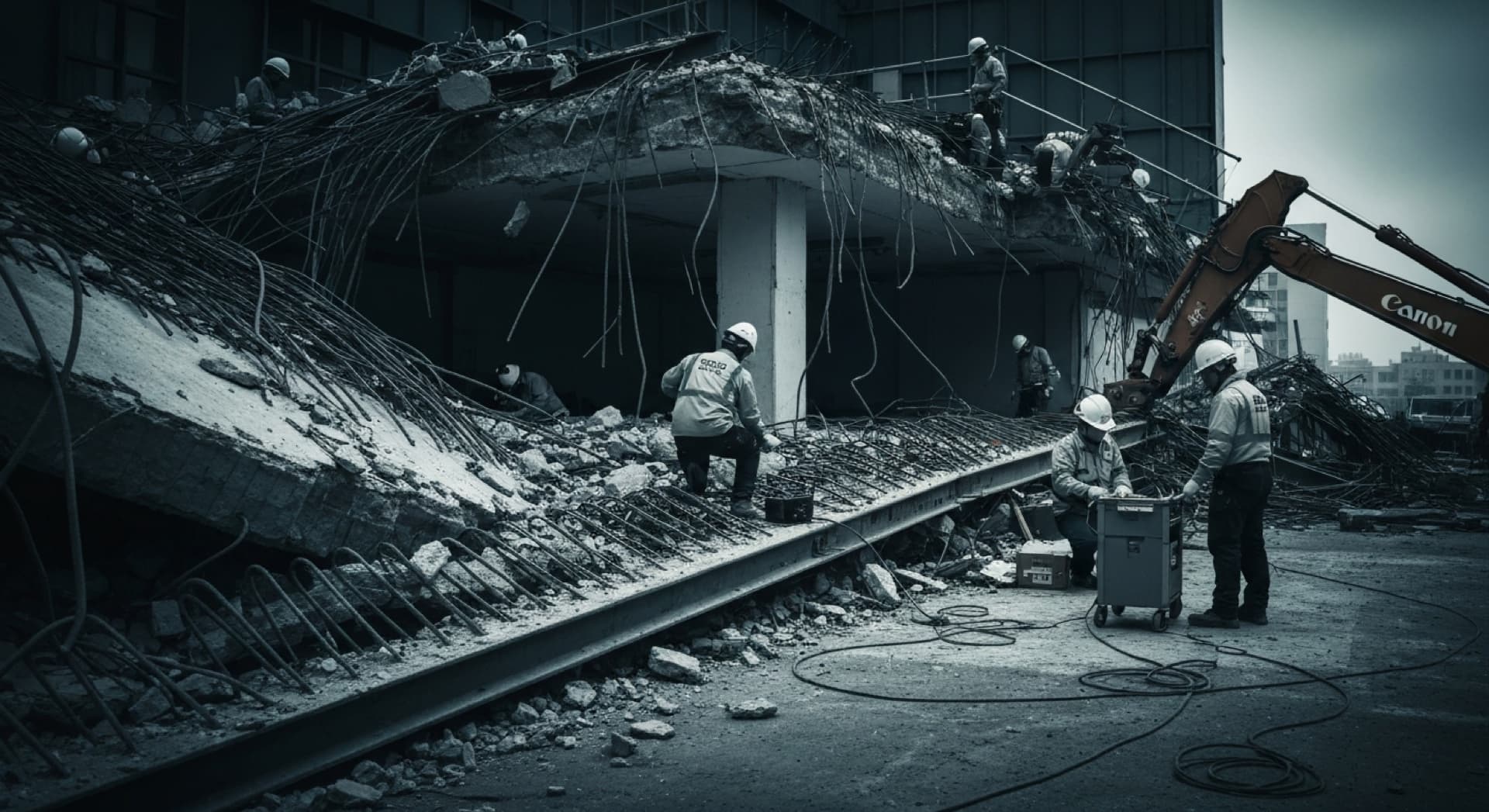
The Mexico City Mall Collapse
The collapse of a shopping centre in Mexico City highlighted several systemic issues in structural engineering practice. While the specific causes were complex and multifactorial, the key lessons are universally applicable.
Root Cause Analysis
Structural failures rarely have a single cause. They typically result from a combination of factors - design errors, construction deficiencies, material defects, inadequate maintenance, or loads exceeding design assumptions. The Mexico City case involved several of these factors acting together.
Lessons for Australian Practice
Although Australian building standards are among the most stringent in the world, complacency is the enemy of safety. The lessons from structural failures globally reinforce several principles that we apply rigorously at ACSES Engineers.
Independent checking - Every structural design should be independently reviewed by a qualified engineer who was not involved in the original design. Fresh eyes catch errors that familiarity obscures.
Construction supervision - A design is only as good as its execution. Regular site inspections during critical construction phases - particularly foundation construction, reinforcement placement, and post-tensioning operations - are essential.
Load path clarity - Every structure must have a clear, continuous load path from the point of load application to the foundations. Interruptions or ambiguities in the load path are the most common source of structural inadequacy.
Robustness and redundancy - Well-designed structures should be robust enough to withstand localised failure without progressive collapse. This principle, known as structural robustness, is increasingly emphasised in modern building codes.
The Role of Peer Review
At ACSES Engineers, we maintain a rigorous internal peer review process. Every design is reviewed by a senior engineer before it leaves the office. This is not a box-ticking exercise - it is a genuine technical review that challenges assumptions, verifies calculations, and ensures buildability.
Continuous Learning
The engineering profession's greatest strength is its commitment to learning from failure. Every structural failure, no matter how distant, offers lessons that make future structures safer.

Related Articles


Tell us about your project.
We will respond with a clear understanding of how we can assist.
Partner With Us