
The Future of Structural Engineering in Australia
Where Our Profession Is Heading
Structural engineering has evolved dramatically over the past three decades that I have been practising. The tools, materials, and methods available to us today would have been unimaginable at the start of my career. And the pace of change is accelerating.
Digital Transformation
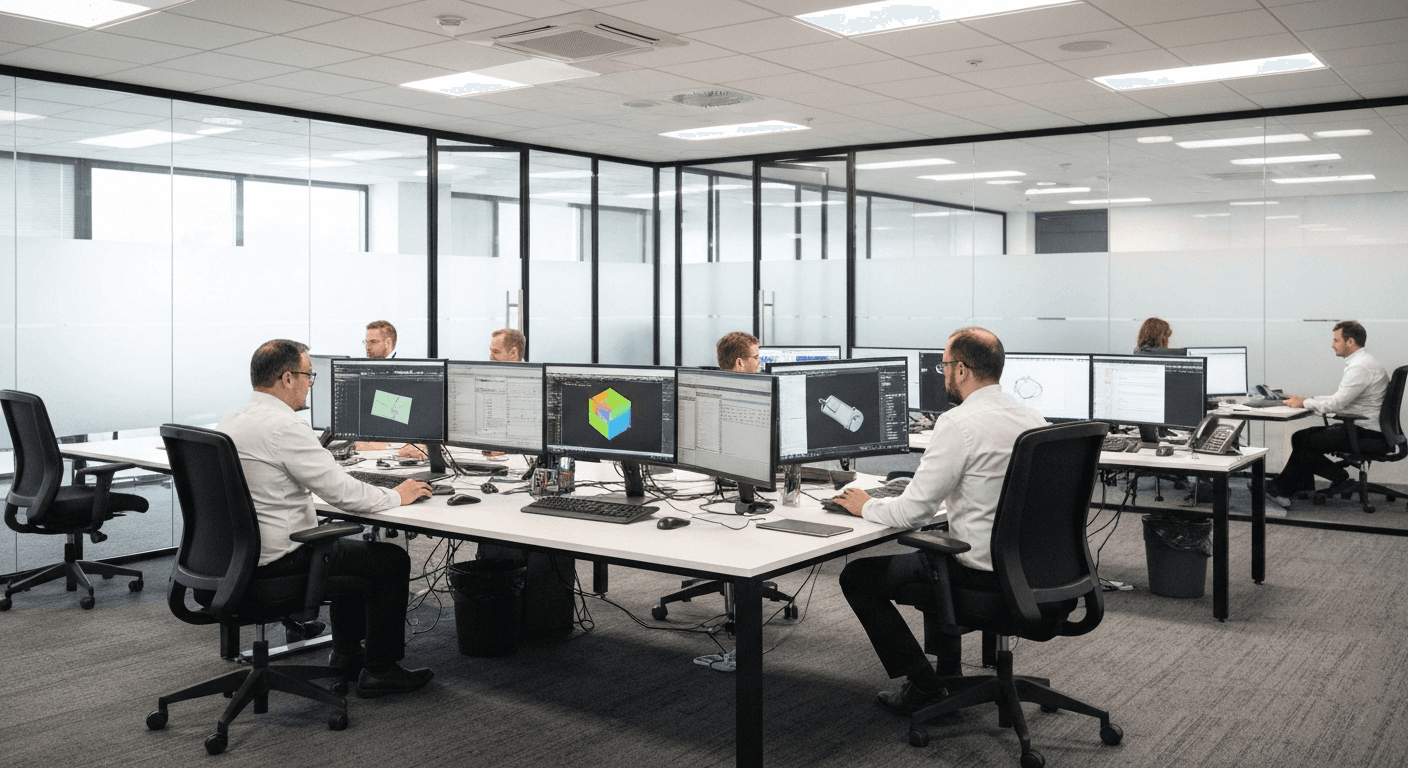
Building Information Modelling has moved from optional to essential. Structural models are no longer standalone documents. They are integrated into whole-of-building digital models that coordinate structure with architecture, services, and construction planning.
Digital twins, real-time computational models of physical structures fed by sensor data, are moving from research to practice. Buildings instrumented with structural health monitoring systems can detect changes in performance, identify maintenance needs, and validate design assumptions.
Cloud-based analysis platforms are enabling collaboration between geographically dispersed teams. Parametric design tools allow rapid exploration of structural options. Generative design algorithms can optimise structures for multiple objectives simultaneously.
New Materials
Cross-laminated timber is establishing itself as a viable structural material for mid-rise buildings. Ultra-high-performance concrete enables thinner, more efficient structural elements. Fibre-reinforced polymers offer corrosion-free reinforcement for aggressive environments.
Self-healing concrete, graphene-enhanced materials, and bio-based construction products are all in various stages of development. The structural engineer of 2036 will have a materials palette significantly broader than what is available today.
Sustainability Imperative
Carbon reduction in construction is no longer optional. Embodied carbon in structural materials, operational carbon from building services, and whole-of-life carbon accounting are all becoming standard considerations in structural design.
Engineers will need to optimise structures not just for structural performance and cost, but also for carbon footprint. This adds complexity to the design process but also creates opportunities for innovative engineers who embrace the challenge.
Regulatory Evolution
The Design Practitioner Registration scheme in NSW is likely to be expanded and adopted by other states. Professional accountability, design documentation, and compliance processes will become more rigorous across the industry.
This is a positive development. Higher standards of practice benefit everyone: engineers, builders, developers, and ultimately the people who live and work in our buildings.
Workforce Development
The engineering workforce is changing. Greater diversity, new working arrangements, and evolving career expectations are reshaping how engineering firms operate. The firms that attract and retain the best talent will be those that offer meaningful work, professional development, and a supportive culture.
Graduate engineers entering the profession today will practise for 40 or more years. The skills they need include not just technical competence but also digital literacy, sustainability awareness, communication ability, and adaptability to change.
Our Perspective
The future of structural engineering in Australia is bright. The combination of population growth, infrastructure investment, sustainability requirements, and technological innovation creates enormous opportunity for engineers who are prepared.
At ACSES Engineers, we are investing in the skills, tools, and capabilities that our team will need to lead the profession into the next decade. Engineering has always been about solving problems that matter. The problems ahead are some of the most important and interesting our profession has ever faced.

Related Articles
Tell us about your project.
We will respond with a clear understanding of how we can assist.
Partner With Us